
Gas Station Pressure Cleaning That Protects Safety
Gas station pressure cleaning is about far more than bright concrete and clean pump islands. It helps protect safety, keeps customers comfortable, and supports a cleaner brand image every hour the station is open.
Fuel drips, oil stains, gum, litter, and grimy sidewalks build up fast. Add heavy traffic, bad weather, and food spills, and a forecourt can start looking worn in days. It also gets harder to clean once grime settles into porous concrete and textured coatings.
Regular service keeps small messes from turning into bigger maintenance problems. For busy stations, the cleaning schedule matters almost as much as the cleaning itself.
Why gas stations need regular pressure cleaning
A gas station rarely gets a true break. Traffic keeps moving, so dirt and residue keep building.
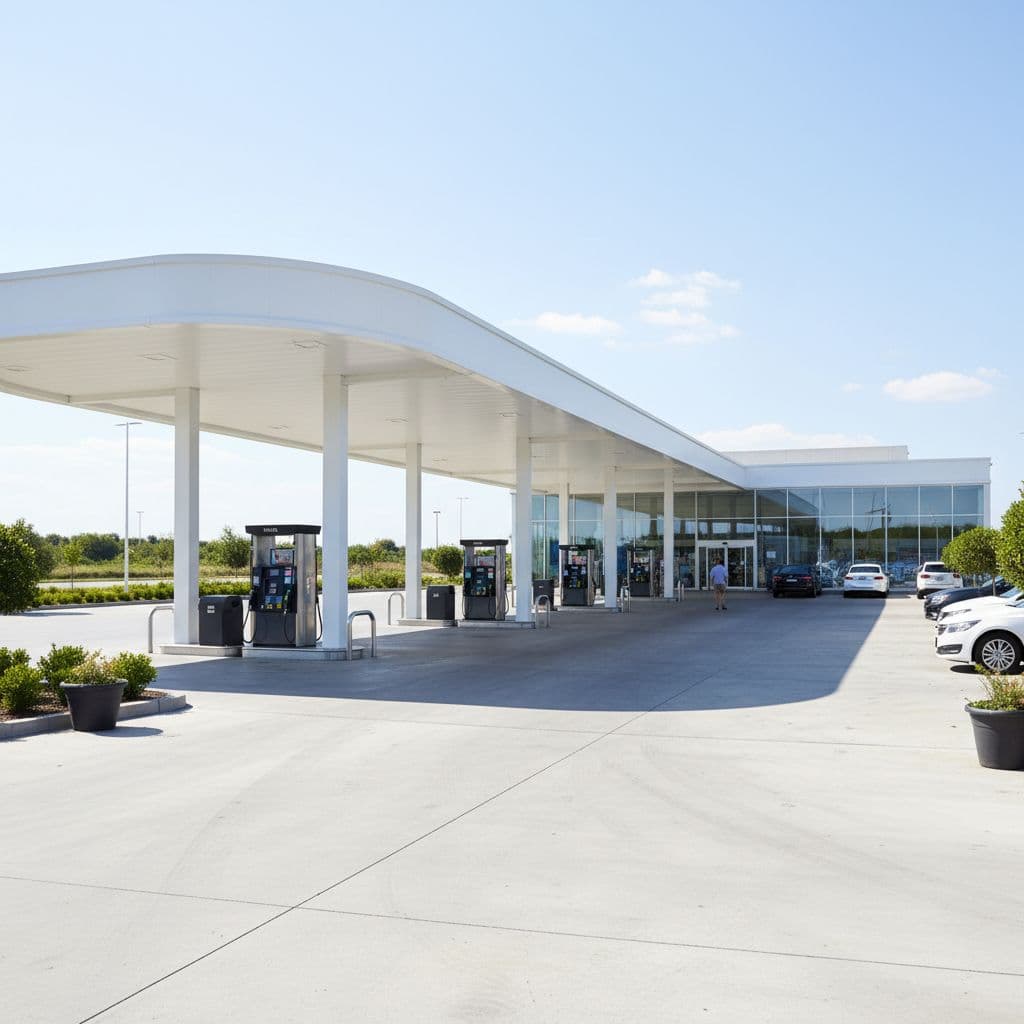
How clean surfaces affect safety and slip prevention
Safety is the clearest reason to clean on a set schedule. Oil, fuel residue, algae, and spilled drinks can leave walking areas slick, especially near pump islands, entrances, air pumps, and dumpster enclosures. When that film sits too long, normal foot traffic can spread it farther across the site.
Regular pressure cleaning helps remove that layer before it becomes a hazard. It also helps crews spot cracks, pooling water, and worn coatings that may add to slip risk. Employees feel it too, especially during wet weather and busy rushes. A station that stays on top of these areas usually deals with fewer ugly stains and fewer problem spots after rain.
Why a clean forecourt helps your brand
Customers notice more than fuel prices. Dirty pumps, stained concrete, and wind-blown trash can make the whole property feel poorly managed. People often make that judgment in seconds.
That impression often carries into the c-store, restrooms, and food area. A clean forecourt feels safer and more reliable, which matters when people decide where to stop again next week. Many service providers highlight the same business benefits in this breakdown of gas station pressure washing benefits, including cleaner surfaces, better customer comfort, and longer-lasting pavement.
What a professional gas station pressure cleaning service should include
A proper cleaning plan covers the whole customer path, not only the stains around the pumps. It also matches the method to the surface, because concrete, painted steel, coated columns, and storefront glass all react differently. That includes high-traffic edges and the corners most crews miss.
Concrete, sidewalks, and pump islands
These zones usually hold the worst buildup. Tire marks, grease, gum, beverage spills, and tracked-in dirt settle into concrete fast. Pump islands also collect fuel drips in tight corners that a quick rinse won’t fix.
Professional crews treat these areas with the right pressure, the right detergent, and enough dwell time to break up residue. Pre-treatment can make a big difference on older stains. That controlled approach matters more than brute force. If you’re comparing standards, general professional pressure washing services often follow the same rule: match the process to the surface and stain.
Trash pads, curbs, and dumpster areas
Dumpster pads and curbs are easy to ignore because they sit off to the side. Still, customers smell them, see them, and walk past them. Old spills, leaking bags, food waste, and dark runoff can leave stains, odors, and bacteria behind. Curb faces often hold black streaks that spread the dirty look.
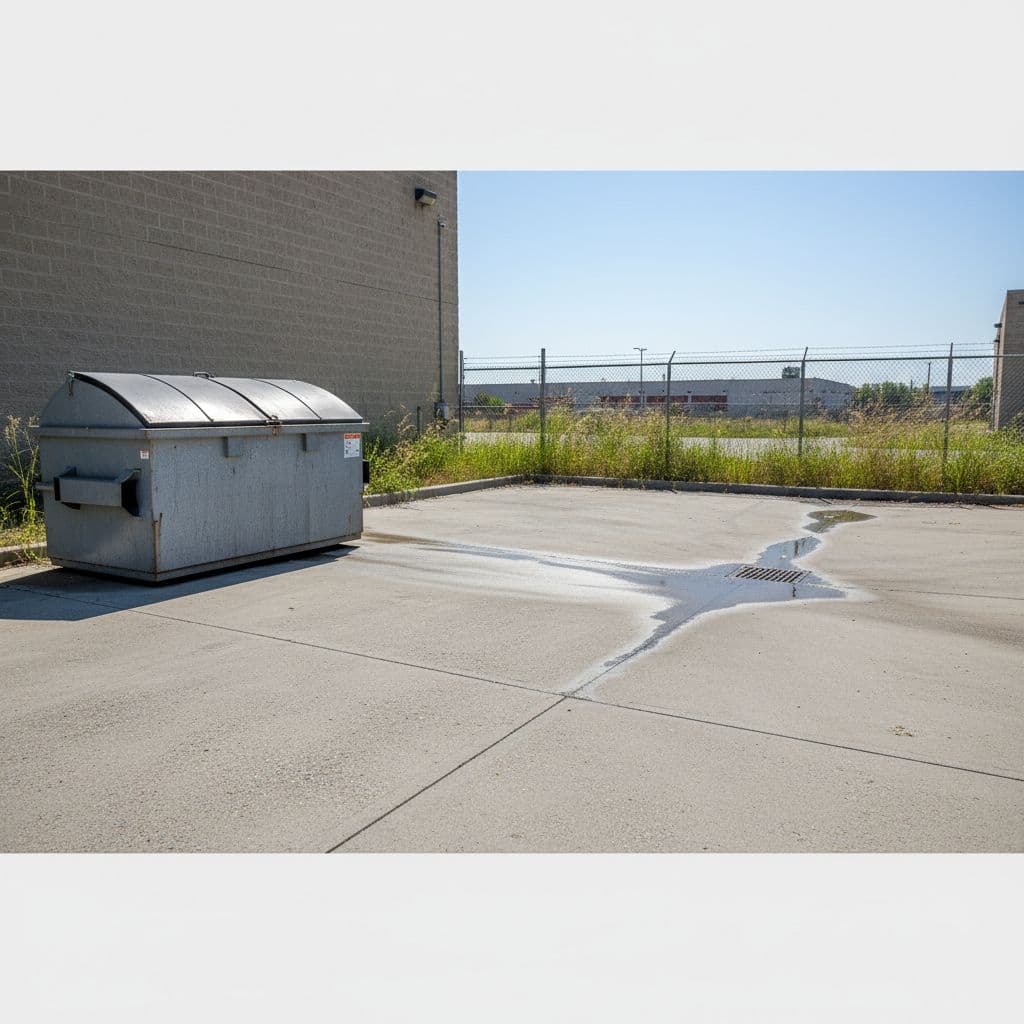
These areas need deep cleaning, not a fast spray-down. Crews should flush buildup from edges, joints, and curb lines, then rinse in a way that keeps dirty water under control.
Building exteriors, awnings, and other touchpoints
Walls, canopy supports, columns, doors, and payment areas shape the first impression before anyone steps inside. Dust, cobwebs, soot, and splash marks collect there slowly, so the site can look dingy even when the ground is fairly clean. Doors and entry frames also deserve attention because they sit at eye level.
Those surfaces need a safer touch. Painted panels, signage, and awnings often need lower pressure or soft washing to avoid streaks, fading, or chipped finishes. When crews treat each material the right way, the whole property looks cared for, not overblasted.
How to choose the right cleaning approach for a gas station
Good gas station pressure cleaning is controlled and careful. The best results come from choosing the method based on the stain, the surface, and the site layout. Power alone isn’t the goal.
Hot water versus cold water cleaning
Hot water works better on grease, oil, and sticky fuel residue because heat helps loosen what cold water leaves behind. That’s why heavily soiled pump areas, dumpster pads, and drive lanes often clean up faster with hot-water equipment.
Cold water still has a place. It can handle dust, mud, pollen, and light grime on less contaminated areas. Some contractors explain when hot water helps with oil and fuel stains, and the basic idea is simple: use extra heat where petroleum residue is the real problem.
Soft washing versus high pressure
Hard concrete can usually take more force. Painted metal, signs, sealed surfaces, and decorative finishes often can’t. The wrong tip or angle can do damage fast.
Soft washing uses lower pressure and cleaning solutions to lift dirt without rough treatment. A smart crew may use both methods on the same job, switching tools as conditions change across the site.
Why environmental runoff control matters
Wastewater at a gas station can carry fuel traces, detergent, food waste, and grime. If that runoff reaches a storm drain, it can create a bigger problem than the original stain. For that reason, cleanup plans should include water control, recovery, and proper disposal based on local rules.
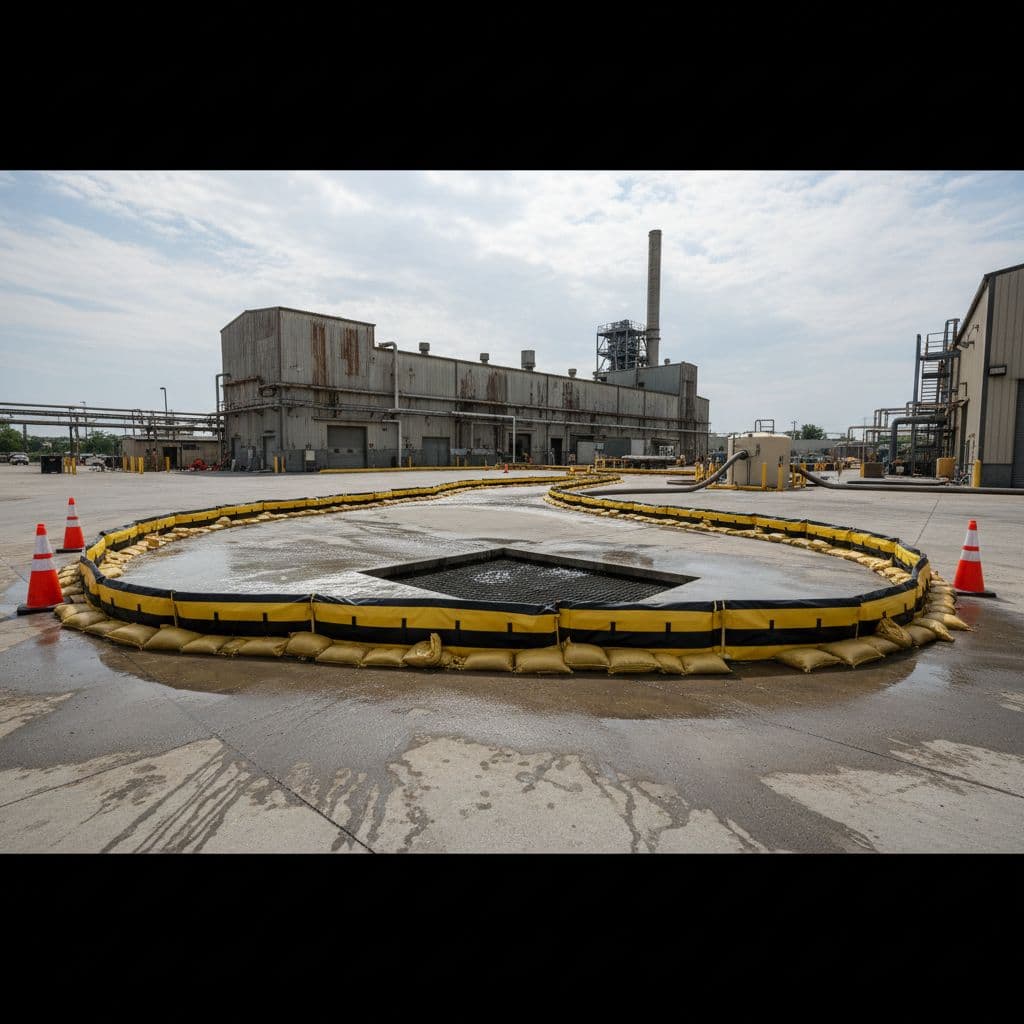
Runoff control also keeps the work area safer while cleaning is underway. Hoses, standing water, and detergent overspray need close attention in active traffic zones. Stations also need to keep nearby landscaping and adjoining pavement cleaner. A careful process protects the property, the crew, and the area around the station.
Conclusion
Gas station pressure cleaning helps protect more than appearance. It supports safer walking surfaces, a cleaner customer experience, and better long-term care for concrete, paint, and site fixtures.
The strongest takeaway is simple: regular cleaning works better than waiting for heavy buildup. Smaller, more frequent cleanings remove spills before they stain deeper, smell worse, or spread across traffic lanes.
Over time, that steady routine means fewer stubborn stains, fewer cleanup headaches, and a property customers are more likely to trust.