
Loose paver sand sneaks up on people. One day the joints look full, then a few storms roll through and the whole surface of your interlocking pavers starts looking tired.
When homeowners ask me about the longevity of their sand in Southwest Florida, I don’t give one canned number. I give a range, because a shaded patio and a sun-beaten driveway do not age the same way.
Key Takeaways
- Variable Lifespan: In Southwest Florida, joint sand typically lasts between 1 to 5 years, with the specific duration heavily dependent on surface usage, exposure to the elements, and maintenance habits.
- Environmental Factors: Frequent heavy rains, roof runoff, and intense sun exposure are the primary culprits for sand erosion, often causing joints to look shallow and weathered prematurely.
- Maintenance is Critical: Proper cleaning methods—avoiding aggressive high-pressure washing—and the timely application of a stabilizing sealer are essential to keeping sand in place and protecting the integrity of the paver system.
- Proactive Repairs: Addressing low joints, weed growth, or loose pavers immediately prevents more costly repairs, such as resetting the entire surface or fixing the sub-base.
What I consider a normal joint sand lifespan
In most of Southwest Florida, I tell homeowners to expect jointing sand to last about 1 to 5 years, depending on the surface and how it is maintained. That is a big range, I know, but local conditions and consistent maintenance matter more than any sales brochure.
A driveway takes more abuse than a walkway. A pool deck deals with splash-out, chemicals, and bare feet dragging sand around. A patio under roof usually has an easier life. Then you add rain, slope, traffic, ants, weeds, and cleaning habits, and the clock speeds up or slows down.
Here is the simple way I look at the expected durability of these materials:
| Surface type | Typical lifespan | What shortens it |
|---|---|---|
| Unsealed driveway pavers | 1 to 2 years | Traffic, runoff, aggressive cleaning |
| Patio or walkway | 2 to 3 years | Rain, irrigation, ants, weeds |
| Cleaned, re-sanded, and sealed pavers | 3 to 5 years | Worn sealer, standing water, poor drainage |
Those are normal ranges, not promises carved in stone. If the pavers were installed well, the paver joints were filled properly, and the surface gets regular care, the life of the sand usually lands on the longer side.
Why does that sand matter so much? Because it locks the system together. When the joints get low, pavers can start shifting. Weeds find space. Ants move in. Water works farther down into the base. It starts small, then gets expensive.
Some homeowners assume all sand is the same. It isn’t. When comparing polymeric sand to regular sand, you will find they behave quite differently regarding flexibility and resistance to erosion. Still, even the better products won’t save a surface with bad drainage or poor prep.
Why Southwest Florida wears joint sand out faster
Southwest Florida is hard on anything that lives outdoors, and paver joints are no exception. The intense sun bakes the surface, summer storms pound it, and irrigation hits the same spots over and over. When these harsh weather conditions create a path for water, the runoff inevitably takes the sand with it, leading to persistent washout issues.
I see this frequently on sloped driveways, patios near pool cages, and walkways positioned below roof lines. Even a small roof valley can dump a surprising amount of water onto one section of pavers. After enough downpours, the joints start looking shallow.
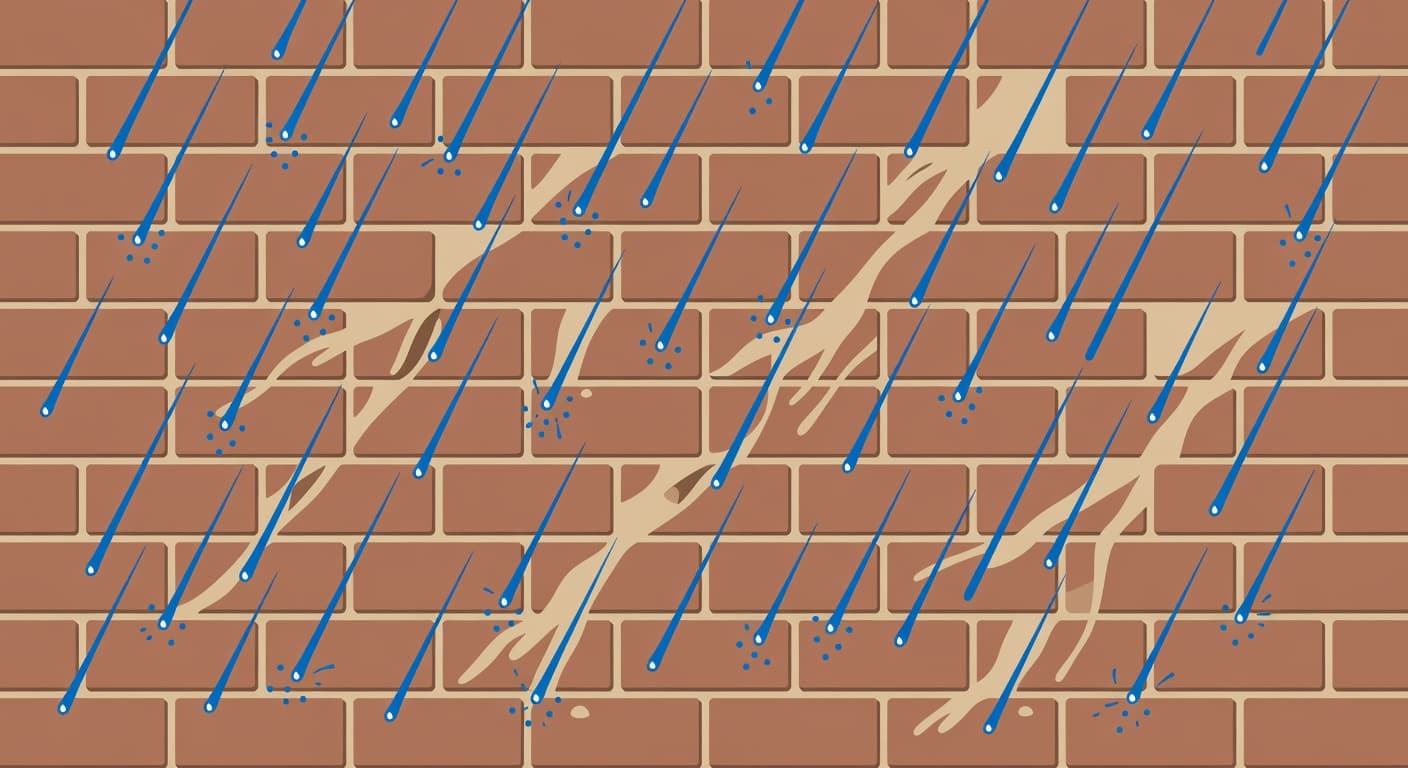
Then there is the maintenance factor. If you use a pressure washer incorrectly, it blasts the sand right out of the joints. I often see DIY jobs where the pavers look bright for a few days, but the joints are left hollow. That is not a win.
A proper soft wash is gentler than high-pressure cleaning, which helps preserve the joint integrity. The same principle applies to careful roof cleaning around paver areas. However, runoff still matters. If rinse water pours off the roof edge and races across the pavers, loose sand can disappear quickly. This is where choosing high-quality polymeric sand makes a difference, as it provides better erosion resistance compared to standard options.
If sand keeps disappearing, the problem usually isn’t the sand alone. Water is almost always part of the story.
Beyond water, biological factors play a role. An insect infestation can hollow out a joint from beneath, while persistent weed growth pushes sand out as roots take hold. When you combine these issues with the daily impact of tires, patio furniture, and foot traffic, the wear adds up quickly.
That is why the joint sand lifespan in this part of Florida is rarely about age alone. It is about how well your installation holds up against constant exposure.
How I make joint sand last longer
If I want jointing sand to last, I do not start with the sealer. I start with the basics of the installation process. To ensure longevity on outdoor surfaces, the surface needs to be cleaned correctly and allowed to dry. I then fill the joints to the proper depth, keeping the joint width in mind to prevent future shifting. For the best results, I often use a plate compactor to ensure the sand settles deeply and evenly before applying a stabilizing sealer to lock everything in place.
That order matters. Sealing over half empty joints is like painting over a crack in the wall. It may look better for a minute, but the weak spot remains. While many homeowners choose standard sand, using polymeric sand is a great way to improve durability. This material requires water activation to harden, and you can even choose from various polymeric sand colors to match your concrete pavers or natural stone aesthetic. If you prefer a more flexible option, resin sand is another effective alternative that utilizes advanced binding agents to resist erosion.
A good driveway sealing job does more than bring back color. Sealing pavers helps hold the material in place, slows water intrusion, and makes routine cleaning easier. On patios and walkways, the same idea applies. Sealer is not magic, but it gives the joints a fighting chance.
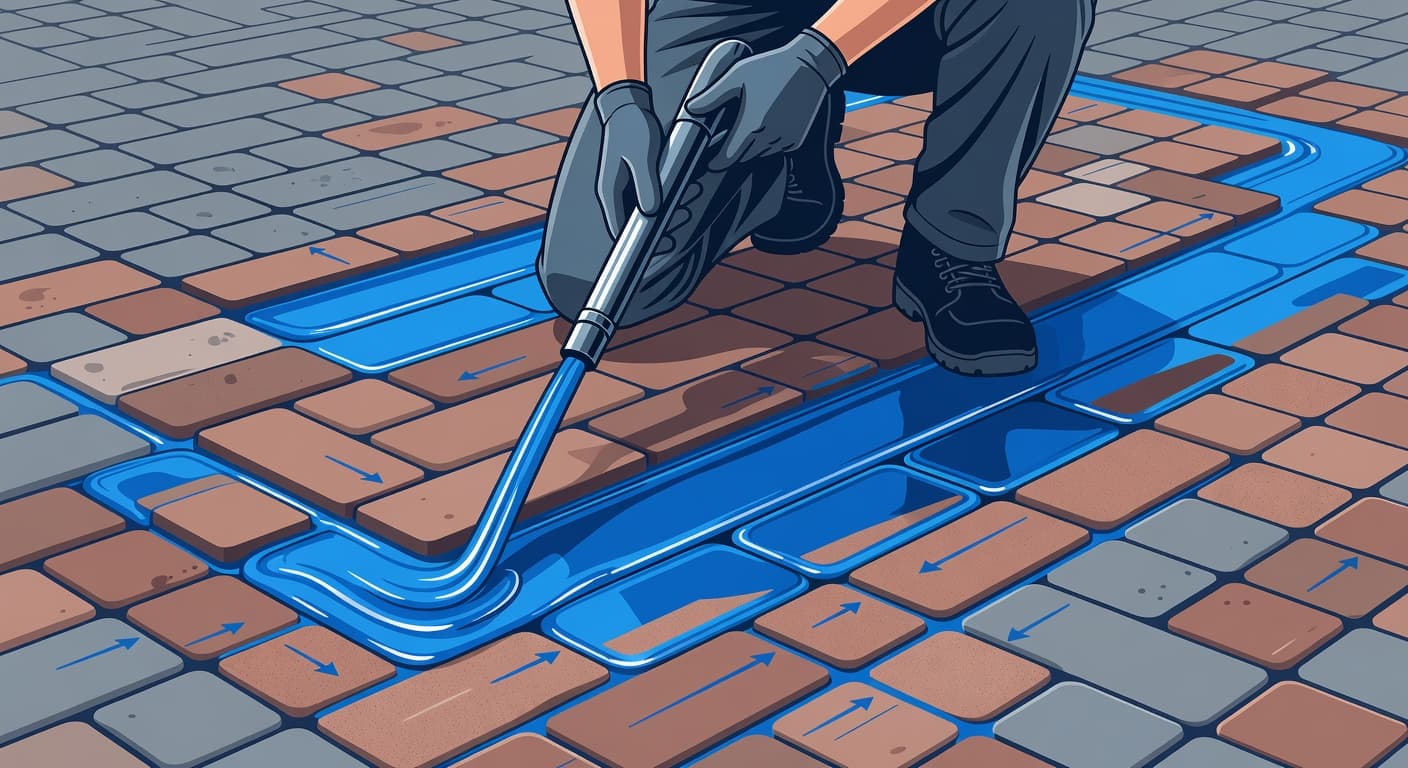
Signs I look for before re-sanding
When I inspect a paver surface, a few things tell me the joints are due for attention:
- The sand sits below the edge of the pavers.
- Ant hills or weeds keep showing up in the same spots.
- Pavers feel loose or make a slight clicking sound.
- Rain leaves sand piles near drains, borders, or low corners.
If you catch those signs early, the fix is usually straightforward. Clean the surface the right way, add fresh sand, and seal it before the next stretch of hard weather. If the joints have been empty for too long, the repair can grow into resetting pavers or fixing the base.
If your driveway or patio is already showing wear, this is the point where I stop guessing and measure the actual condition. If you want a second set of eyes, Get a Quote for sealing or pressure cleaning services.
Frequently Asked Questions
Does polymeric sand last longer than regular sand?
Yes, polymeric sand is generally more durable because it contains binding agents that harden when activated by water. This creates a more erosion-resistant surface compared to standard sand, which can easily wash away with rain or irrigation.
Can I pressure wash my paver joints to clean them?
While you can clean your pavers, you must be very careful. Using high-pressure water directly on the joints will blast the sand out and hollow them, so a gentle soft wash is almost always preferred to preserve the joint integrity.
How do I know when it is time to re-sand my pavers?
You should consider re-sanding when you notice the sand level dropping below the top edges of the pavers. Other clear indicators include the appearance of recurring weeds or ant hills in the joints and a slight shifting or clicking sound when you walk on the surface.
Does sealing the pavers actually help the sand stay in place?
Sealing acts as a protective layer that locks the sand into the joint, which significantly improves resistance to water runoff and prevents surface erosion. It is one of the most effective ways to extend the time between necessary re-sanding projects.
Conclusion
I never treat jointing sand like a one-time install and forget detail. In Southwest Florida, the sand wears down from rain, traffic, runoff, and improper cleaning habits much faster than most homeowners expect.
The best way I know to stretch the longevity of your patio is simple: clean carefully, re-sand before the joints get too low, and stick to a regular sealing schedule. By using high-quality polymeric sand with advanced polymers, you can significantly improve the durability of your hardscape. Investing in the right sand for pavers now is far more affordable than facing the high replacement costs associated with rebuilding a failed surface. Fresh sand is cheap, but ignoring your maintenance routine is not.