
Nothing makes an outdoor space look tired faster than a dark oil spot. One drip from a grill, mower, or leaking car can sink in quickly and stay put.
I have seen homeowners throw bleach, acid, and hard scrubbing at these stains. That usually trades one problem for another. Because clay brick is highly porous, oil does not sit politely on the surface.
When I deal with oil stains on a brick patio, I start with the stain itself, not with force. My goal is to draw the spill out of the pores of the pavers.
Key Takeaways
- Prioritize Absorption: For fresh spills, use materials like cat litter or baking soda to pull oil from the pores before scrubbing, which prevents the grease from being pushed deeper into the brick.
- Avoid Harsh Chemicals: Skip wire brushes, muriatic acid, and bleach, as these can scar the brick surface, damage mortar, or create uneven discoloration without effectively dissolving the oil.
- Use the Poultice Method: For set-in, older stains, apply an absorbent paste (poultice) to the area; as it dries, it pulls the oil out of the masonry.
- Control Pressure Washing: Avoid using aggressive pressure washer settings early in the process, as this can etch the brick and ruin joints; save it for a final, controlled rinse after degreasing.
Why oil stains on outdoor pavers hang on so stubbornly
Oil isn’t like mud or mildew. It doesn’t dry on the surface and rinse away with the next rain. It soaks into the tiny pores in the brick, then spreads sideways under the surface. That is why grease stains that look small at first can leave a wider shadow later.
Fresh spills are easier. Old stains are a different animal. Heat makes things worse, too. On a sunny patio, the oil thins out, travels deeper, and bonds to the grit already sitting in the brick.
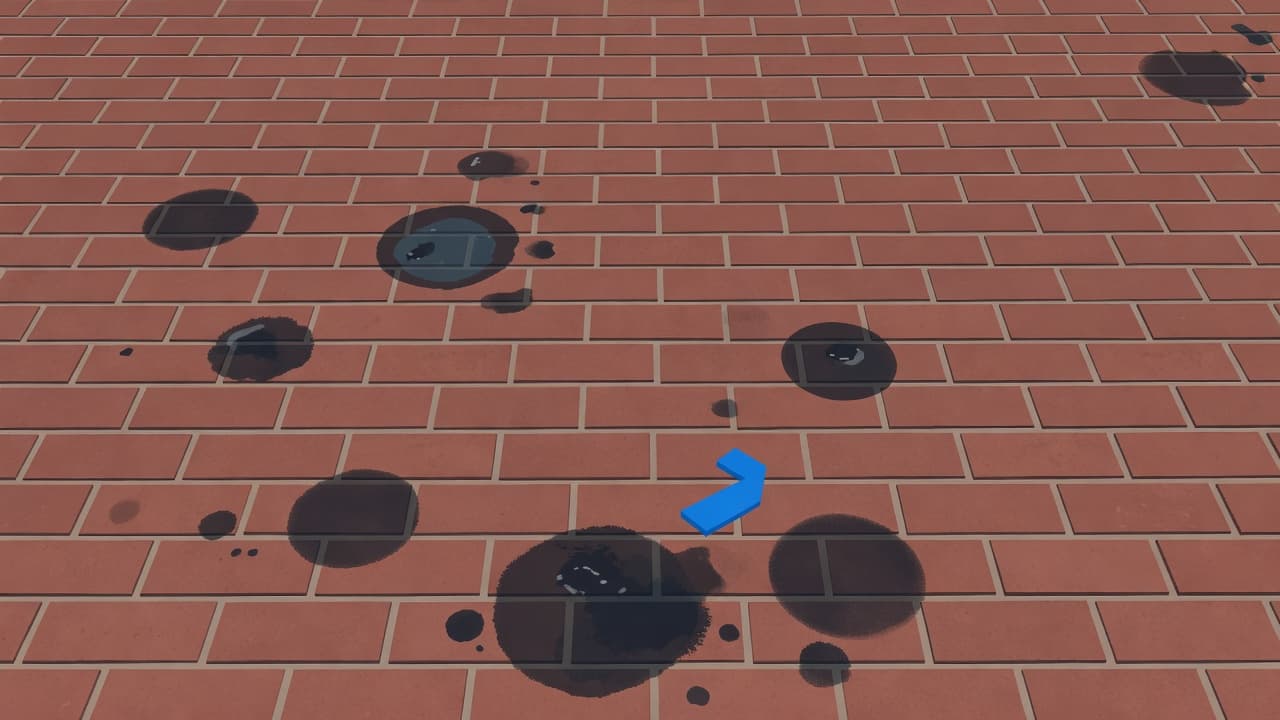
When I look at oil stains on a brick patio, I ask one question first: is this a fresh spill or set-in stains? That answer changes the whole approach. A spill from this morning can often be addressed through proper stain removal in stages. A stain that has been there for weeks usually needs repeated treatment.
Brick also punishes bad cleaning choices. Wire brushes can scar the face of your pavers. Harsh acids can attack mortar and do almost nothing to the oil. Even straight bleach can leave you with a lighter patch and the same greasy shadow.
If the spill is fresh, absorb first and scrub later. Push too hard too soon, and the oil goes deeper into the pavers.
That sounds backwards, but it works. With oil, patience beats panic.
How I remove oil stains from brick without wrecking the surface
I treat oil removal like peeling layers off an onion. One pass rarely fixes it. The cleaning solution has to break down the grease, and the pavers need time to release it.
Here is the basic process I follow:
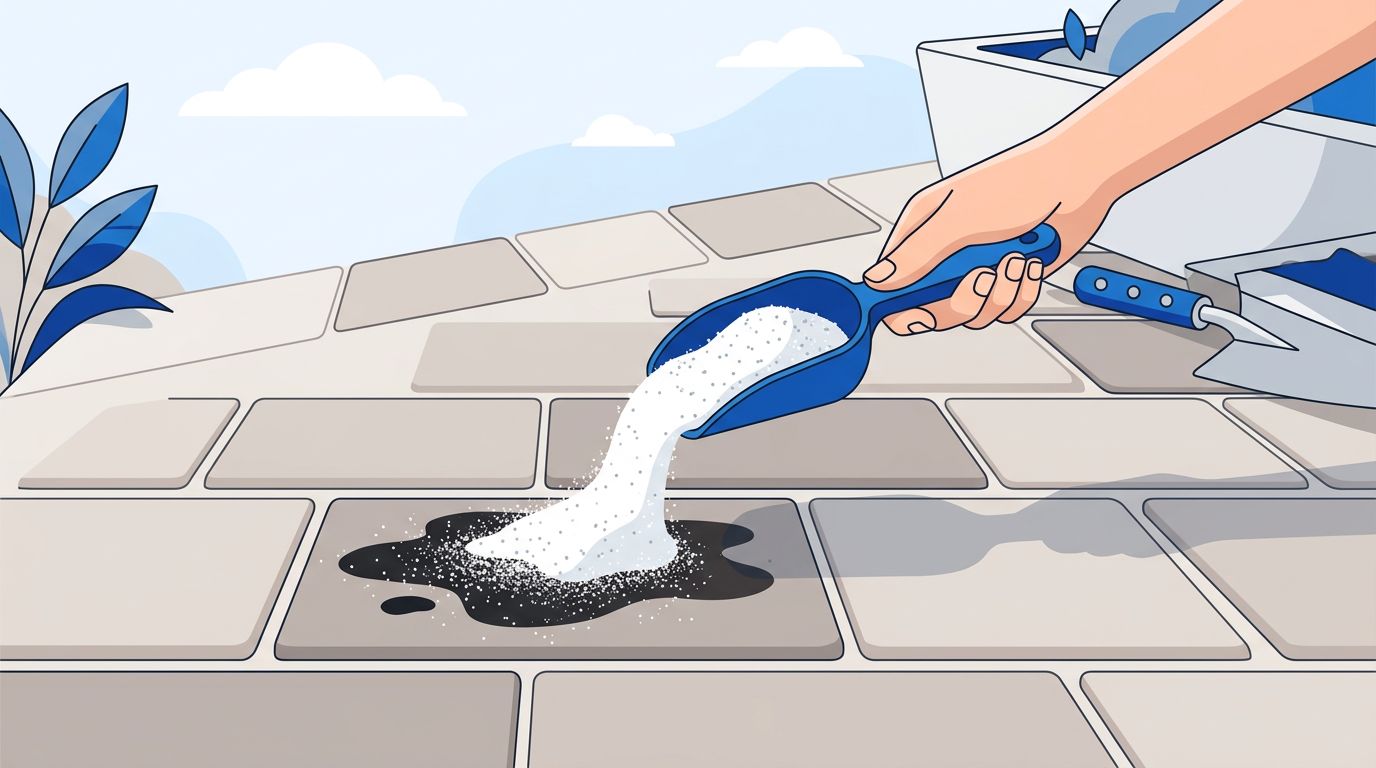
- I cover a fresh spill with absorbent materials, such as cat litter, baking soda, or oil-absorbent granules.
- I let it sit long enough to pull up surface oil, then sweep it away.
- I apply a masonry-safe degreaser or a simple dish soap cleaning solution and give it a little dwell time.
- I scrub the area with a stiff-bristled brush, avoiding wire brushes that can damage the brick.
- I rinse with water well, then repeat if the stain still shows.
For older stains, I often move to the poultice method. That is a fancy way of describing an absorbent paste that sits on the stain and draws oil out as it dries. You can make one with an absorbent powder and the right cleaner, but the product must be safe for brick. If the wrong chemical sits too long, the stain might fade while the surface gets damaged.
This is where people reach for a pressure washer too early. I get the temptation. The patio looks dirty, the machine is sitting in the garage, and blasting feels productive. But oil stains on your pavers do not respond well to raw force on the first pass. If I use a pressure washer at all, I use it only after the degreaser has loosened the oil. I also keep the pressure controlled and the spray moving. A narrow, aggressive tip can etch the brick and strip joint material, which is especially risky if you have older clay pavers.
I also stay away from muriatic acid for oil. It is not the right tool. Acid can clean mineral staining, but it does not dissolve grease the way many people think it does.
If the spot on your pavers lightens but does not disappear, that is still progress. Brick often releases oil a bit at a time. Two careful cleanings beat one reckless one.
When pro cleaning and sealing make more sense
Some stains are bigger than a weekend fix. If the oil covers several bricks, keeps coming back, or has been baking in for months, I stop guessing and bring in help. Large, stubborn spills often require a commercial oil stain remover or an industrial degreaser to pull contaminants deep from within the masonry. The same goes for surfaces with loose joints, old sealer buildup, or a significant amount of surrounding grime.
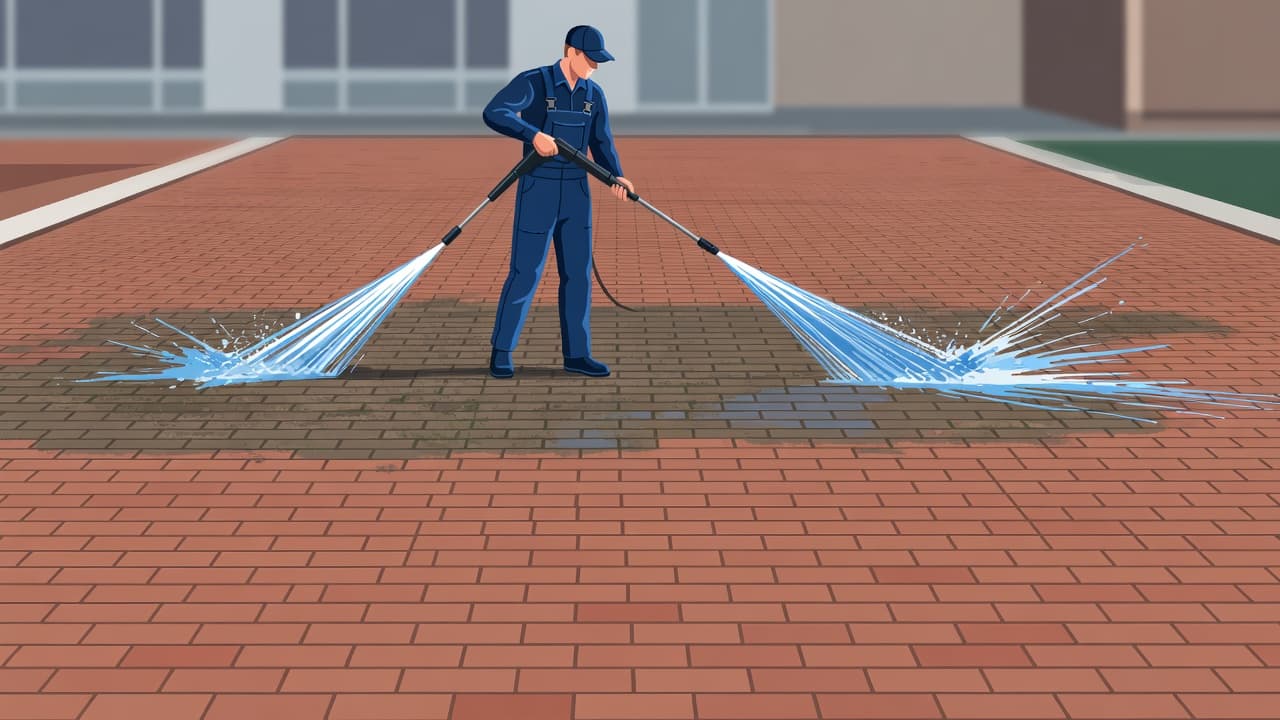
I do not treat every outside surface the same. Roof cleaning requires a soft wash because shingles are easily damaged by high force. While brick is tougher than a roof, it still demands care, and its porosity is quite different from natural stone. If you are cleaning a brick driveway or a standard driveway, aggressive use of a pressure washer can rough up the face of the brick, flush out the joints, and leave the area looking worn.
That same idea applies to other services. A crew that understands driveway sealing knows that protection only works after you have a perfectly clean surface that is fully dried. Brick works the same way. A sealer can help future spills release faster, but it will not hide an active oil stain. The cleanup has to come first.
If the stain is winning, or the surface needs cleaning and sealing after the oil is gone, Get a Quote. I would rather see the surface treated correctly once than stripped and overworked three times.
After the stain is removed, prevention is simple. I use grill mats, catch pans under equipment, and cardboard during messy projects. A few cheap barriers can save a lot of scrubbing on your pavers, keep your patio looking new, and ensure your pavers remain in top condition for years.
Frequently Asked Questions
Can I use dish soap to clean oil off my pavers?
Yes, dish soap is an effective, mild degreaser that works well for many oil stains. Apply it to the spot, let it sit (dwell time) to break down the grease, scrub gently with a soft-bristled brush, and rinse thoroughly.
Why shouldn’t I use a wire brush on my brick patio?
Wire brushes are too abrasive and can easily scar or scratch the face of your clay pavers. This damage creates tiny crevices where future dirt and oil can hide, making it harder to keep the patio clean in the long run.
Does pressure washing remove oil stains immediately?
Pressure washing alone is often ineffective against oil because oil bonds deep within the porous brick. Raw force is likely to push the oil further down; it is best to use a degreaser or poultice first to loosen the stain before using a controlled spray to rinse it away.
Should I seal my brick patio to prevent future oil stains?
Sealing your patio is a great way to make the surface more resistant to liquids and easier to clean in the future. However, you must ensure the oil is completely removed and the brick is fully dried before applying any sealer, as the product will not hide or remove active stains.
Final Thoughts
Oil does not necessarily ruin a brick patio, but it does punish rushed decisions. Dealing with stubborn oil stains requires a methodical approach that relies on absorption, the right degreaser, gentle scrubbing, and a little repetition. When you take your time to lift the spill from your pavers, you can achieve professional results without damaging the masonry.
If I had to boil it down to one rule, it would be this: treat the oil before you treat the entire patio. Once I focus on the affected area, even the most persistent spots usually lose their grip. Ultimately, knowing how to properly remove oil stains ensures your outdoor space remains a clean and welcoming part of your home for years to come.