

A fire pit can turn a backyard into the best spot on the property, until the patio starts wearing a ring of black soot. Fire pit soot stains often show up faster than homeowners expect, and once they settle into the texture of the brick, they can look quite stubborn and messy.
I see this issue frequently on brick patios, especially where the pavers are porous and the outdoor fire pit gets used on a regular basis. The good news is that soot is not the same as permanent damage, but it does require the right cleanup approach if you want to protect the brick, the mortar joints, and the overall appearance of your living space.
If you treat these marks like simple dirt, you usually end up smearing the carbon around. However, if you handle the cleanup the right way, the patio can look clean again without losing its color or surface texture.
Key Takeaways
- Soot is different from ash: Unlike light, dry ash, soot is a clingy, carbon-based residue that embeds deeply into porous brick and smearing it with water or improper scrubbing will only make the stain worse.
- Start with gentle methods: Avoid harsh tools or immediate high-pressure washing; begin by clearing loose debris, testing a mild cleaner on an inconspicuous spot, and using soft brushes to lift stains.
- Consistency is key: Regular maintenance—such as sweeping ash after every use and rinsing away light residue—prevents soot from baking into the surface, which is significantly easier than tackling deep, set-in stains later.
- Seal your patio: Applying a quality sealer to your brick creates a protective barrier, making it much harder for soot to penetrate the surface and ensuring that future cleanups are quicker and more effective.
Why Fire Pit Soot Stains Show Up So Fast
Soot is essentially fine carbon left behind when fuel does not burn completely. While wood burning fire pits are notorious for producing heavy smoke and residue, even a gas fire pit can leave behind trace amounts of build up if the air mixture is off. As this smoke rises, it drifts and deposits ash and debris onto the nearest surface.
Brick patios are particularly susceptible because brick is inherently porous. These tiny pits and natural lines act like traps, meaning the soot does not just sit on top of the surface. Because of this, effective soot removal from brick and stone surfaces is often difficult, as the particles get lodged deep within the material much like dust trapped in carpet fibers.
Weather also plays a significant role in the staining process. In humid conditions, soot mixes with ambient moisture and adheres more stubbornly to the brick. If you add foot traffic, rain splash, or attempt a late-night cleanup with too much water, the stain often spreads across the patio instead of disappearing.
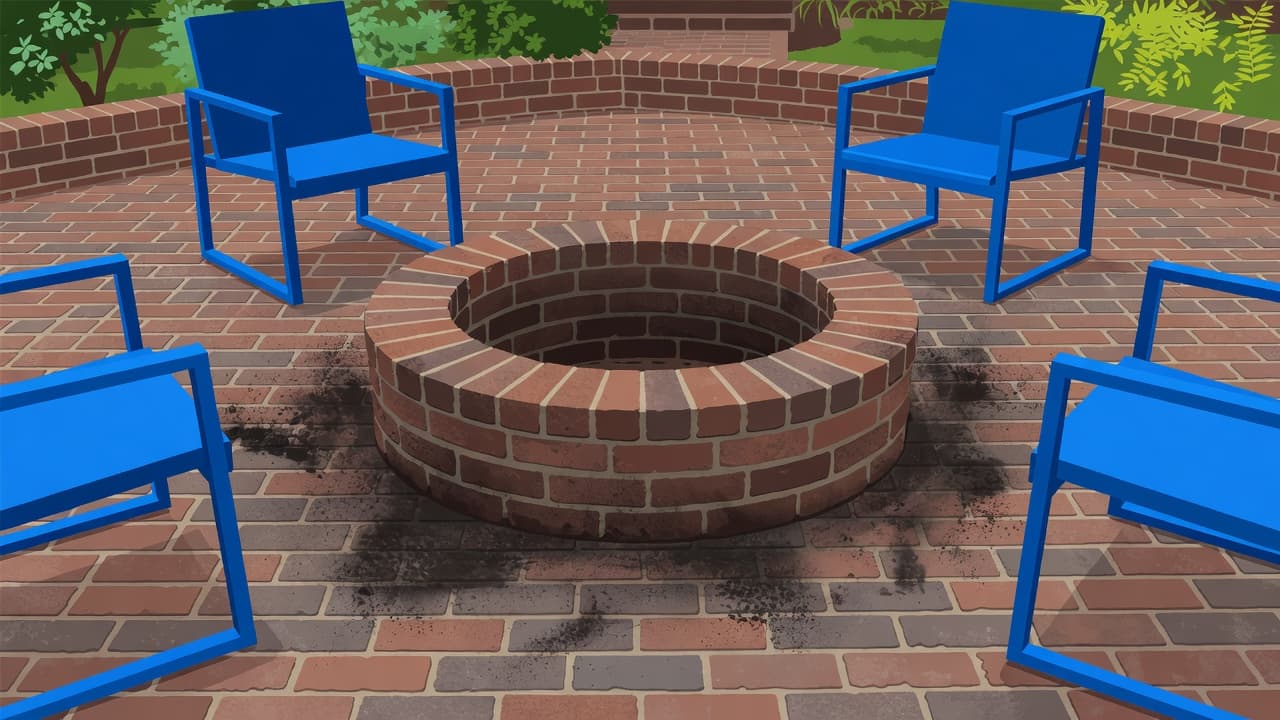
I often see homeowners confuse soot with common ash. While ash is usually light, dry, and easy to sweep away, soot is darker, clingier, and much more likely to leave a stubborn gray or black shadow behind.
If the mark smears when it gets wet, it usually needs more than a quick rinse.
What Brick Is Telling Me When I See Black Marks
A soot stain tells me more than just that the fire pit was used. It reveals how the patio was built, how long the stain has been sitting, and whether the surface has any protection on it.
Unsealed brick absorbs residue faster. Because this material is porous, it requires consistent fire pit maintenance to prevent permanent discoloration. Old sealer can also wear unevenly, so one area cleans up easily while another hangs onto the soot. That patchy look is common on patios that have seen years of cookouts, bonfires, and rainy seasons.
The stain pattern matters too. A ring right around a heavy cast iron fire pit usually points to smoke drift and ash fallout. Conversely, dark streaks spreading from a masonry fire pit often indicate that wind carried fine particulate matter across the patio surface. If the stain looks baked in, the brick may require a more intensive approach to soot removal rather than simple surface scrubbing.
How I Clean Soot Off Brick Without Chewing Up the Surface
I never start with the strongest tool first when I need to remove soot stains from masonry. That is how brick gets scratched, grout gets blown out, and a simple stain becomes a costly repair job.
My process is simple:
- Use a HEPA vacuum or a soft broom to clear loose ash and debris.
- Test a mild cleaning solution, such as mild dish soap or white vinegar, on a small, inconspicuous spot.
- Agitate the surface gently with a soft or medium brush.
- Rinse thoroughly with controlled water pressure.
- Repeat only where the soot is still holding on.
The key is patience. Rushing this job usually pushes soot deeper into the porous brick.
Here is the simple comparison I use when homeowners ask what works best:
| Method | Best for | My caution |
|---|---|---|
| Dry brushing | Fresh ash and loose debris | Don’t grind debris into the brick |
| Mild soap and water | Light surface staining | Rinse fully so residue does not dry back on |
| Soft brush scrubbing | Mid-level soot | Avoid using a stiff-bristled brush |
| Scrubbing and pressure washing | Deeper patio staining | Use the right tip and pressure |
| Soft wash pre-treatment | Nearby walls, screens, or trim | Keep strong spray off delicate areas |
For a lot of brick patios, the smartest approach is a combination of cleaning methods rather than relying on just one. A quality cleaner loosens the soot, the brush lifts it, and controlled rinsing allows you to rinse thoroughly to finish the job safely.
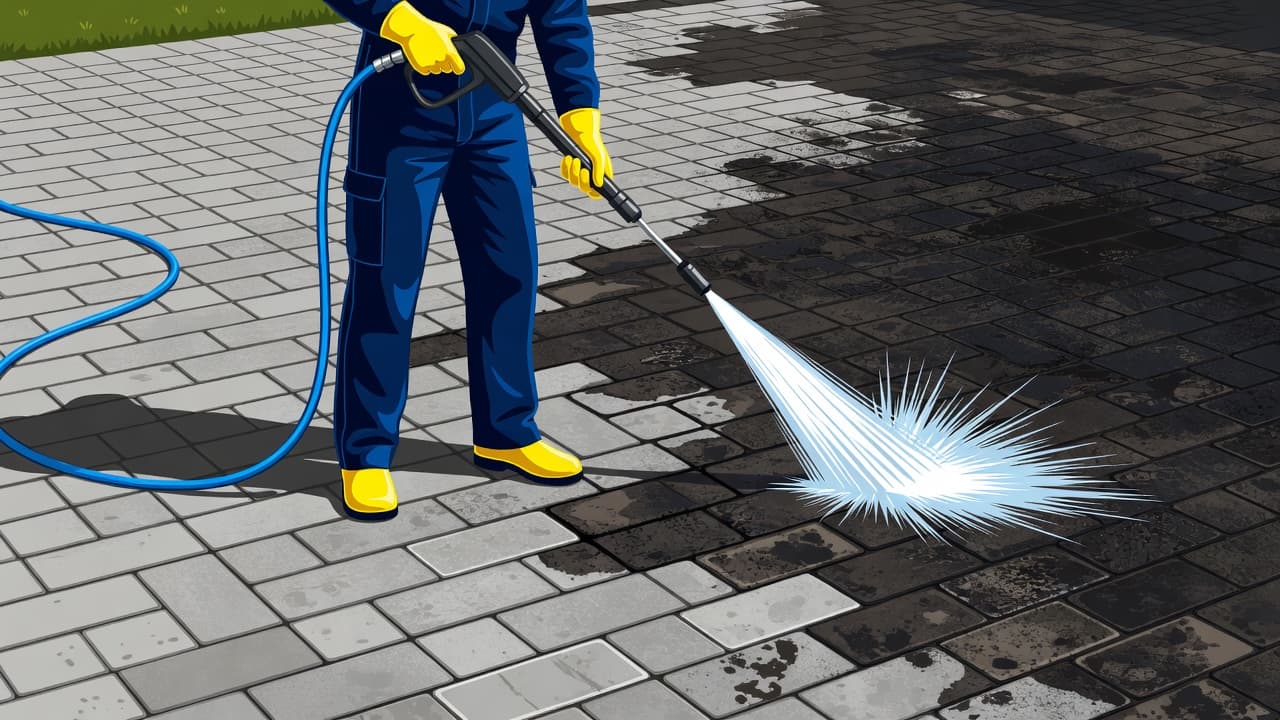
When Pressure Washing Helps, and When It Doesn’t
Pressure washing is useful when soot has settled deep into textured brick or when a large patio needs an even clean. It can save time, and it reaches places a brush misses, making the process of soot removal much more efficient. Used the wrong way, though, it can also create its own problems.
Too much pressure can etch the brick face or weaken the joints. A narrow spray tip can cut lines into the surface. That is why I prefer a measured approach, with the machine doing the work instead of relying on brute force.
There are times when soft wash is the better first step. If soot has reached nearby screens, stucco, trim, or painted surfaces, soft washing is gentler and safer than blasting everything with a hard spray. The same idea shows up in roof cleaning, where the surface needs care, not punishment.
That is also why I never treat a patio as an isolated spot. If the fire pit area is part of a bigger outdoor setup, I look at the whole space. A dirty roof edge, a smoky wall, or a stained lanai frame can change how the cleanup should be handled.
If the patio also has dark traffic marks, corrosion and rust, or old surface grime, it may need a broader wash, not just spot treatment. For homeowners who want help with that, Get a Quote to discuss professional restoration and have the space looked at before the stain settles in even harder.
What Not to Do When Soot Hits Brick
This is where a lot of good patios get damaged. Soot stains are annoying, but bad cleaning choices make them worse. Before you begin, always wear protective gloves and safety goggles when handling any cleaning solution to ensure your personal safety.
I stay away from these mistakes:
- Steel wool that scratches the brick face
- Strong acids that can discolor or weaken the surface
- Random household cleaners that leave a film
- Full-pressure scrubbing or blasting on the first pass
- Letting wood ash sit for weeks before cleaning
A little caution goes a long way. Brick is tough, but it is not bulletproof. Once the finish gets roughened, it holds dirt even faster the next time around.
How Sealing Helps After the Cleanup
Once the stain is gone, the next question is simple: how do I keep this from happening again?
A good sealer helps because it gives soot less room to soak in. It does not make a patio stain-proof, but it does make cleanup easier. That is the same reason driveway sealing matters on pavers that take a beating from tires, weather, and spills. Protecting your brick and stone surfaces creates a barrier that is much easier to maintain than bare, porous material.
I like to think of sealer as a cleanup buffer. When soot lands on unsealed brick, it grabs fast. When it lands on sealed brick, it usually sits closer to the surface and releases more easily during the next wash.
That said, sealer has to be applied correctly. Too much can leave the patio slick. Too little leaves the brick exposed. Old sealer that has failed can also trap uneven dark spots, which is why restoration work sometimes comes before resealing.
For homeowners who use a fire pit often, applying a quality sealer should be a priority. Treating this as a proactive part of your regular fire pit maintenance will keep your patio looking great long before the soot stains become a permanent part of the brick’s personality.
Keeping the Patio Cleaner Between Fire Pit Nights
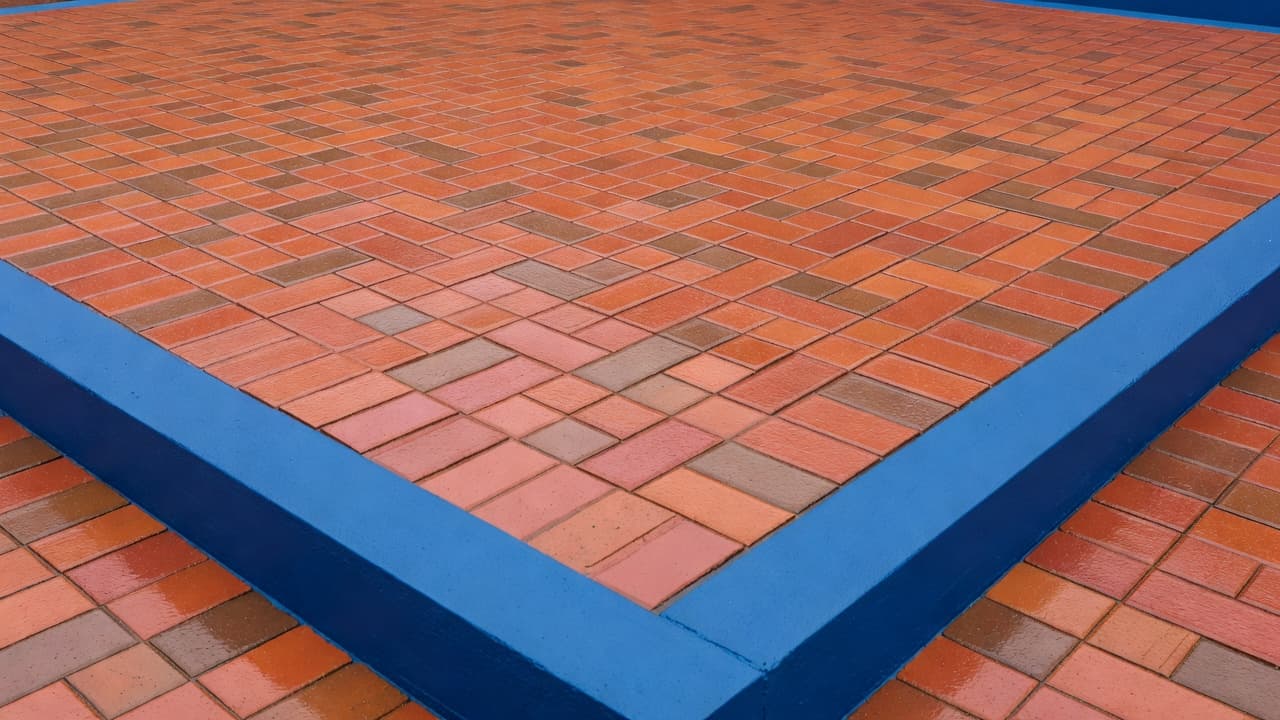
I tell homeowners that maintaining an outdoor fire pit is all about small habits rather than waiting for massive, time-consuming cleanups. If you wait until soot has built up for an entire season, the job becomes much tougher. Consistency is the secret to effective fire pit maintenance.
A few habits help keep your space looking its best:
- Let all wood ash cool fully before removing it from your wood burning fire pits.
- Sweep around the area after every use to clear away stray ash and debris.
- If you use a gas fire pit, check your lines regularly and wipe down the base to prevent buildup.
- Rinse off light residue before it has a chance to bake and dry into the brick surface.
- If you have a corten steel fire pit, be diligent about managing ash and debris, as this material can show rust-colored stains alongside soot if left uncleaned.
- Trim back overhanging branches or greenery that might drip sap or drop debris onto the patio.
- Watch the direction the wind is blowing before you light the fire to minimize smoke staining on your pavers.
If your patio is already stained, start with a proper deep cleaning instead of layering more use on top of the mess. Adding fresh soot over old soot is exactly how the dark ring around your fire feature gets wider.
The same patio that hosts your family nights can stay sharp-looking with just a little routine care. It does not need to be perfect; it just needs a bit of attention before the grime settles in and starts looking like a permanent part of your patio design.
Frequently Asked Questions
Why does my brick patio keep getting soot stains after I clean it?
If you aren’t using a protective sealer on your brick, the pores remain open and vulnerable to absorbing new soot particles every time you use your fire pit. Additionally, if the soot isn’t fully removed during your cleaning process, even a thin layer of remaining residue can make the area look dirty again much faster than you would expect.
Can I use a pressure washer to remove stubborn fire pit stains?
Pressure washing is an effective tool, but it should be used with caution because too much force can etch the brick or damage the mortar joints. It is best used as a later step in the cleaning process once you have already loosened the debris with a mild cleaner and a soft brush.
Is there a way to prevent soot from staining my patio in the future?
The most effective prevention is to apply a professional-grade sealer to your brick surface, which acts as a buffer against soot absorption. Pairing this with consistent habits—like clearing ash after every use and paying attention to wind direction before lighting the fire—will drastically reduce the amount of maintenance required.
Why should I avoid using strong household cleaners on my brick?
Strong acids or harsh chemicals can permanently discolor your brick or degrade the structural integrity of your patio over time. It is much safer to stick with mild dish soap, white vinegar, or cleaners specifically designed for masonry to ensure you are protecting the surface while lifting the stain.
Conclusion
Fire pit soot stains are a common problem for homeowners, but they do not have to become a permanent eyesore on your patio. The trick is to treat soot as a fine residue embedded in porous brick rather than a simple smear you can wash away, allowing you to effectively remove soot stains with the right techniques. By focusing on a careful approach to soot removal, starting with gentle solutions before moving to pressure washing, and applying a protective sealer, you can keep your brick looking pristine. Ultimately, consistent fire pit maintenance is the secret to ensuring your patio remains the most inviting part of your property rather than a source of stress.