
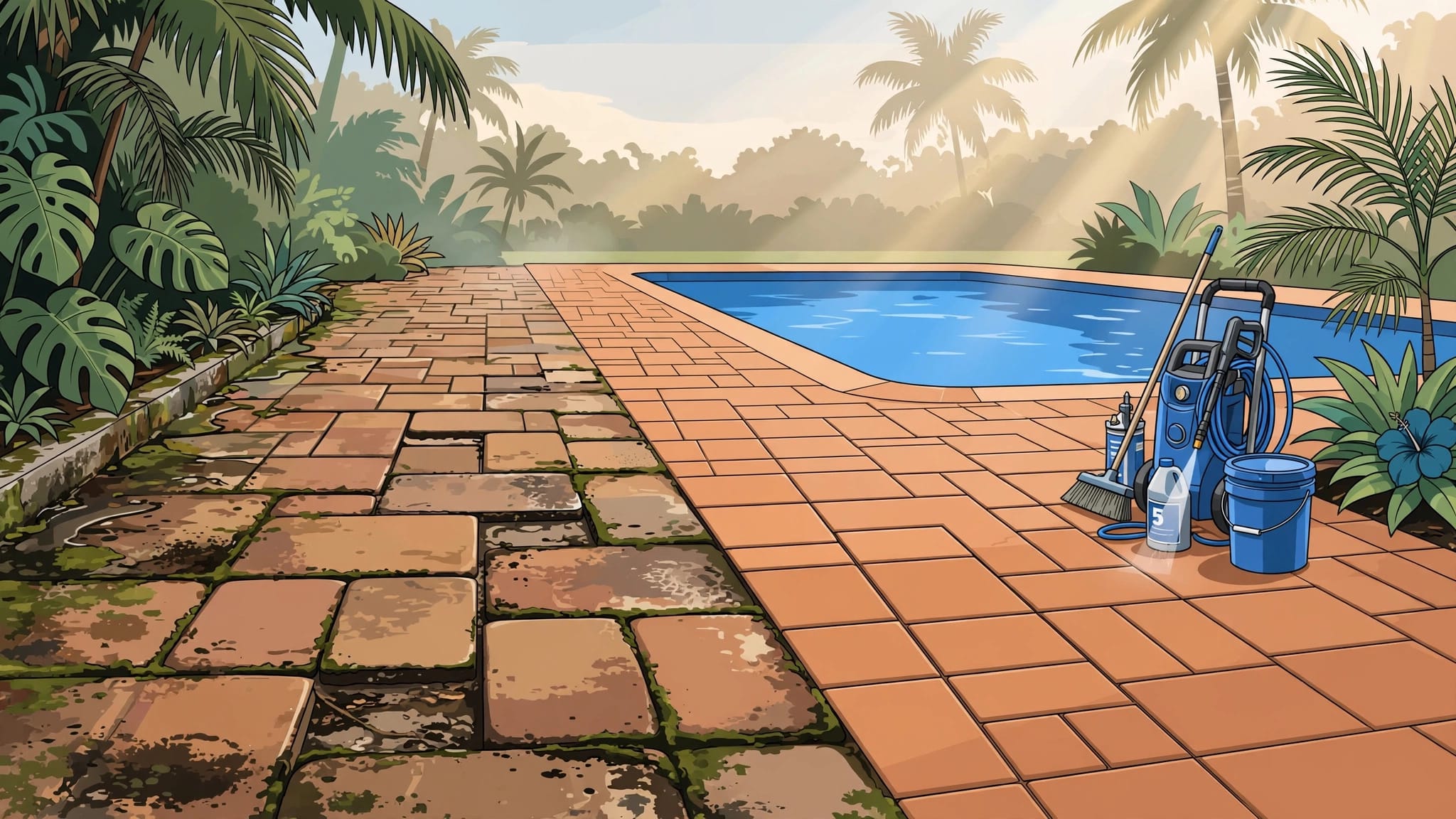
A clean paver surface can make a driveway or pool deck look new again. But paver sealing cost depends on much more than the size of the area.
In Southwest Florida, UV rays, rain, humidity, algae, old sealer, and missing joint sand can all change the final price. A clear quote helps you understand what your property needs before work begins.
Paver Sealing Cost in Southwest Florida
Most professional paver sealing projects in Southwest Florida fall between $1.25 and $4.00 per square foot. A basic clean and seal is usually near the lower end. Heavy staining, failed sealer removal, repairs, and detailed preparation move the price higher.
Fort Myers projects commonly fall around $1.50 to $3.25 per square foot. Naples pricing can reach $4.00 or more when stripping and restoration are needed. Cape Coral homeowners may see a lower rate for a basic clean-and-seal service, but the total rises when the crew must restore joints or remove an existing coating.
Typical costs by project size
This cost breakdown shows the costs to seal surface areas of different sizes. These figures are useful starting points when you compare an estimate for similar work.
| Paver area | Typical professional range | Common cost factors |
|---|---|---|
| 300 sq. ft. patio | $375 to $1,050 | Furniture moving, stains, tight access |
| 600 sq. ft. pool deck | $750 to $2,100 | Screen enclosure, algae, coping protection |
| 1,000 sq. ft. driveway | $1,250 to $3,500 | Oil spots, old coating, lost joint sand |
| 1,500 sq. ft. driveway and walkways | $1,875 to $5,250 | Edges, repairs, drainage, multiple areas |
Larger projects often have a lower rate because setup time is spread across more area. Smaller outdoor areas can cost more because crews still need to mobilize equipment, protect nearby surfaces, and complete final cleanup.
Why a pool deck can cost more than a driveway
An open paved area is usually easier to access. A pool deck may require careful work around a screen enclosure, pool coping, furniture, landscaping, and gates.
Pool areas also collect sunscreen, chlorine residue, mildew, leaf stains, and moisture. Those conditions add preparation time. A lower total price doesn’t always mean a better deal if the work scope leaves out cleaning, sanding, or protection around the pool.
What a Professional Quote Should Include
A good estimate should make it easy to see what you are paying for. A one-line price without details leaves too many questions.
The quote should name the measured square footage, the paver areas included, the cleaning process, joint material, sealer type, coat count, and any items billed separately. It should also state whether pressure washing is included and what happens if rain or damp conditions delay the sealing schedule.
Cleaning, stain treatment, and joint sand
Pressure cleaning removes dirt, algae, mildew, loose sand, and surface debris before sealing. Algae and stains may need separate treatment, especially oil, rust, fertilizer marks, or dark organic staining.
After cleaning, joints may need fresh traditional sand or polymeric sand. Joint sand helps keep pavers stable and reduces open gaps where weeds can grow. Re-sanding often adds about $0.50 for each square foot, although the final amount depends on how much material the joints need in Florida.
Existing sealer removal and coat count
Existing sealer is one of the biggest variables in a paver sealing quote. Cloudy areas, peeling, sticky spots, uneven shine, and white haze can point to a failing coating.
Removing a failed finish can add around $1.00 per area unit or more. It takes extra labor, chemical products, rinsing, and drying time. Some pavers only need cleaning and a compatible recoat. Others need stripping before new sealer can bond properly.
Your quote should also state whether it includes one coat or two coats. More product isn’t always better. The right application depends on the paver material, desired finish, product instructions, and surface condition.
What Changes the Final Estimate
The final price for one property can look very different from another property with the same square footage. The surface tells the real story.
Surface condition and needed repairs
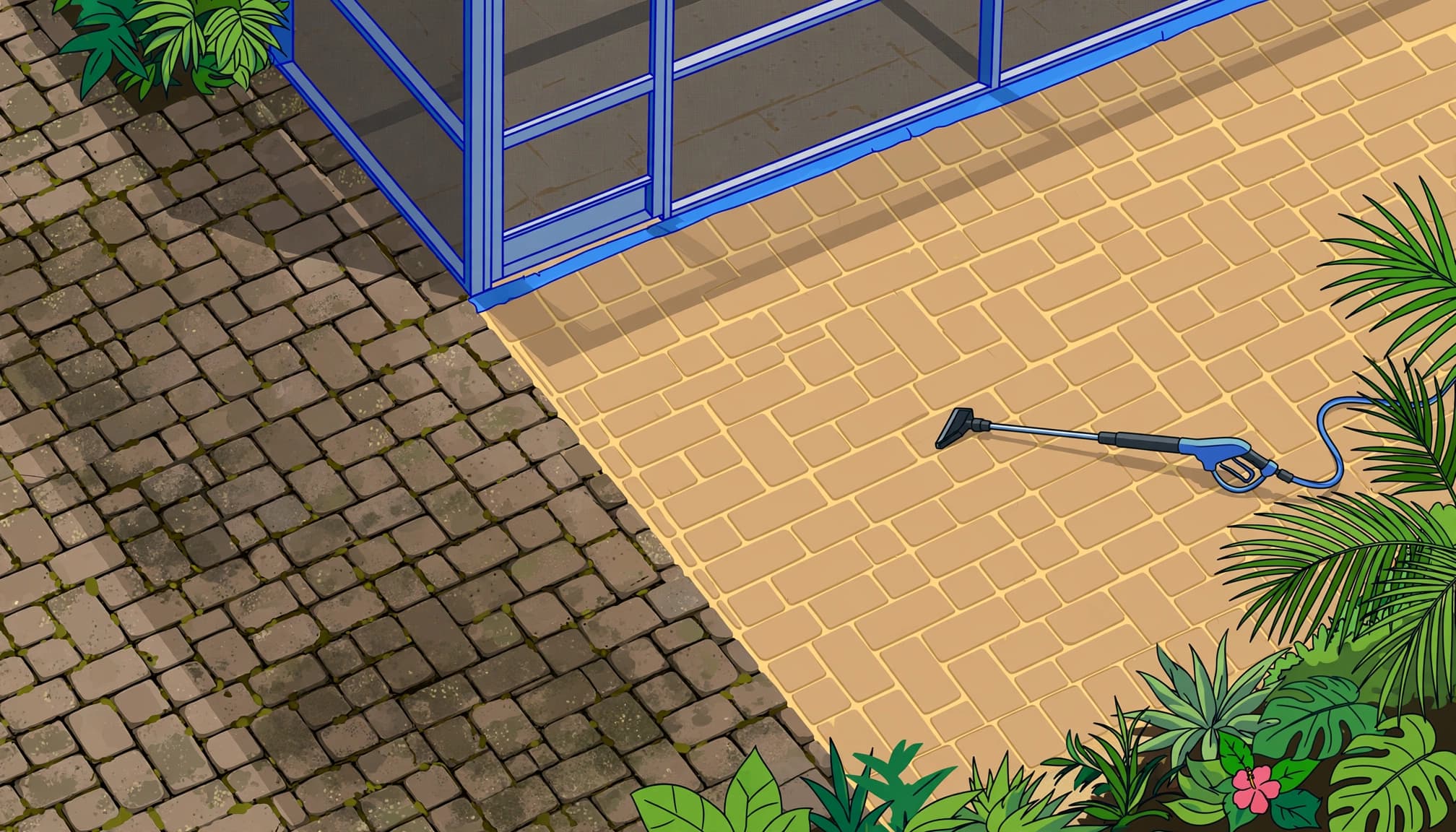
I inspect the pavers before recommending a sealing plan. Loose or rocking pavers, low spots, damaged edge restraints, washed-out joint sand, and standing water should be addressed first.
A sealer can protect a properly prepared surface. It can’t repair a failed base or correct drainage that sends water back across the paved area. If you have sprinkler overspray, roof runoff, or recurring puddles, those problems need attention first.
Deep oil stains, rust marks, cigarette burns, and absorbed discoloration may improve with treatment, but they may not disappear completely. A reliable contractor should be honest about that before applying sealer.
Access, protection, and paver type
Tight side yards, screened lanais, waterfront properties, and heavy landscaping can add labor. Crews may need to move furniture, protect plants, mask walls, and work around pool equipment.
Brick pavers, concrete pavers, and travertine each need compatible cleaning and sealing methods. Natural stone requires extra care, and the product used for one area may not be right for a lanai or outdoor area.
Sealing should protect a clean, stable paver surface. It shouldn’t be used to hide loose pavers, drainage problems, or a failing old coating.
Surface Preparation Makes the Finish Last
The sealer is the final step, not the first step. Most uneven finishes begin with a surface that was still dirty, damp, poorly sanded, or coated with incompatible old material.
Pressure washing before sealing
Can you apply sealer without pressure washing first? In most cases, no. Pavers need to be free of algae, dirt, residue, loose sand, and cleaning chemicals before sealing.
Pressure washing must be controlled. Too much pressure or poor technique can scar the pavers, blow out joints, and leave visible cleaning lines. Careful cleaning matters even more on a previously sealed surface.
A soft wash may be used on nearby delicate exterior areas, but runoff still needs to stay off the prepared pavers. The same applies to other exterior cleaning. Dirty water or chemical residue can create more preparation work if it reaches prepared paved areas or the lanai.
Selecting the right sealer
The shiniest finish is not always the right choice. Some homeowners prefer a natural, low-sheen appearance. Others want richer color, wet-look sealers, or added joint stabilization.
Water-based products can offer lower odor and easier cleanup. Film-forming acrylic or urethane products can create more color enhancement and surface protection when they’re compatible with the pavers. Penetrating products work differently and may provide a more natural appearance.
I recommend asking for the exact sealer type, expected sheen, coat count, cure instructions, and maintenance plan. A small test area can help you see how the finish will look on your pavers before the full project begins.
Drying Time Matters in Florida Weather
Southwest Florida weather can change a sealing schedule fast. Strong sun can help a surface dry, but humidity, shaded areas, morning dew, recent rain, and damp joints can hold moisture longer than expected.
How long pavers should dry after cleaning
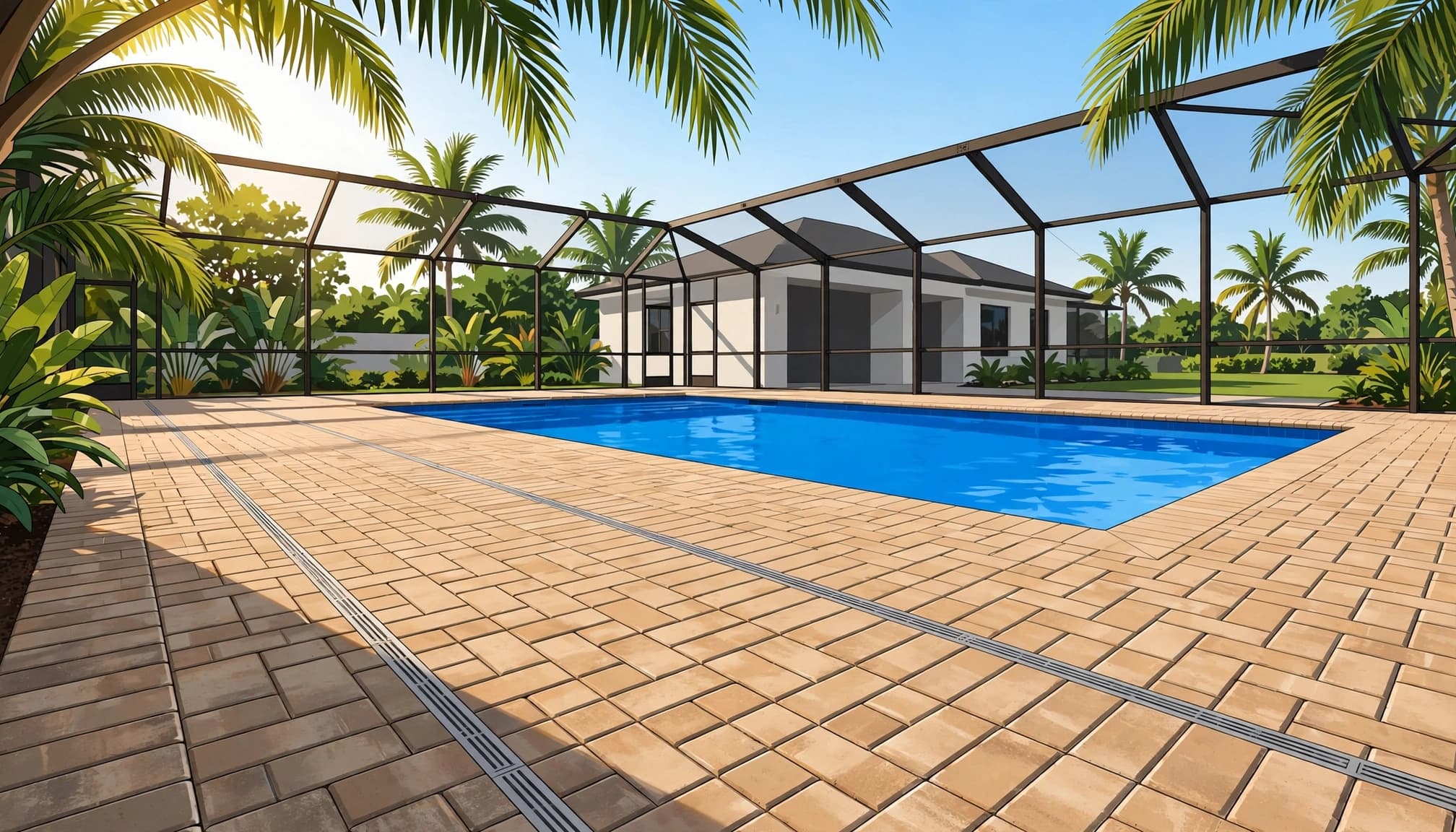
A common starting point is at least 24 hours after pressure washing. In humid conditions, the real drying time may be longer. The paver surface can feel dry while moisture remains below the surface or inside the joints.
Unilock’s paver sealing guidance also advises allowing pavers to dry for at least 24 hours before sealer application. That is a baseline, not a promise for every job.
The product label has the final word. New pavers and fresh polymeric sand may require a longer waiting period. Some polymeric sand systems need time to harden before a compatible sealer can be applied.
Rain, humidity, and curing time
I check the forecast, surface moisture, shade coverage, and expected rain before scheduling the final application. Afternoon storms can interrupt cleaning, but rain during curing can leave cloudy areas, streaks, soft spots, or uneven shine.
Eagle’s penetrating-sealer instructions show why product directions matter. Their guidance calls for a dry surface, advises at least 24 hours after pressure washing, and notes that humid conditions can extend drying.
Avoid parking vehicles too soon after paved-surface sealing. Light foot traffic may be possible after the product cures as directed, but vehicles often need 24 to 48 hours or longer. Warm tires can damage a coating that has not fully hardened.
DIY Versus Professional Paver Sealing
DIY work may make sense for a small, unsealed paver area with solid joints and no major stains. Materials for 1,000 square feet can cost roughly $145 to $350, depending on the sealer, sand, cleaners, applicators, and protective supplies.
That price does not include equipment rental, stain treatment, failed-sealer removal, repairs, or the cost of correcting a bad finish.
When DIY work becomes risky
The toughest part is not rolling on sealer. It is cleaning evenly, keeping runoff controlled, restoring joints, allowing enough drying time, and applying thin, consistent coats without puddles or lap lines.
Florida heat can shorten working time. Heat and rain can slow curing. If a coating turns white, peels, or stays tacky, the repair may require professional stripping and resealing.
When professional service is the better value
Professional sealing makes more sense for larger paved areas, pool areas, brick pavers, travertine, heavily stained surfaces, and areas with old sealer. It also helps when you want a consistent finish across several connected spaces.
For driveway sealing, I recommend comparing written scopes instead of choosing the lowest total. Ask what preparation is included, what product will be applied, and whether the contractor will address an uneven finish caused by an application issue.
Key Takeaways
- Most Southwest Florida paver projects cost about $1.25 to $4.00 per square foot, based on preparation and surface condition.
- Pressure cleaning, re-sanding joints, stain removal, and old sealer stripping can change the final price.
- Pavers must be fully dry before sealing. Florida weather, shade, dew, and rain can extend the wait.
- A detailed quote should list the paver area, services, chosen sealer, coat count, exclusions, and curing instructions.
- The cheapest bid can become expensive if it skips preparation or leaves you with peeling, haze, or uneven color.
Frequently Asked Questions
How much does it cost to remove failing paver sealer?
Existing sealer removal often adds about $1.00 per square foot or more. The cost depends on the coating type, how badly it has failed, the paver condition, and how much stripping and rinsing the surface requires.
Is pressure cleaning and re-sanding included?
It should be clearly listed in the estimate. Pressure cleaning is usually part of professional sealing, while re-sanding may be included or priced separately. Ask what joint material will be used and whether the crew will refill all open joints.
How often should Florida pavers be resealed?
Many paver surfaces should be evaluated every two to three years. Pool decks, shaded patios, high-traffic driveways, and areas exposed to salt air may need attention sooner.
What should homeowners ask before approving a quote?
Ask for the measured square footage, cleaning method, stain treatment, joint sand plan, sealer name, finish type, number of coats, weather policy, cure time, warranty terms, and repair exclusions. For a clear local estimate, Get a Quote before your pavers reach the point of major restoration.
Protecting Your Pavers Starts With a Clear Scope
The lowest paver sealing cost isn’t always the lowest long-term cost. Proper cleaning, stable joints, dry conditions, compatible sealer, and careful application support long-term paver maintenance while protecting your property’s appearance.
A detailed estimate gives you a better way to compare services and make the right decision for your driveway, patio, walkway, or lanai. Preparation is what makes the finish last.