
Salt air does not stop at the beach. I see it working on driveways, patios, and pool deck pavers all across Southwest Florida. Maintaining brick pavers in Southwest Florida requires an understanding of how our unique climate impacts your hardscape.
If your pavers look dull, chalky, or loose at the joints, the coast may be part of the problem. Sun, humidity, rain, and airborne salt team up quickly throughout Southwest Florida. Once I know what those four things are doing to your stone, the fix gets a lot clearer.
Key Takeaways
- Salt air impacts everyone: You do not need to be on the beach to suffer damage; the Gulf breeze carries salt inland throughout all of Southwest Florida, causing premature fading and surface degradation.
- Small issues escalate: Problems like white haze, thin joint sand, and dark algae patches build up slowly over time, eventually leading to structural shifts or costly repairs if left unaddressed.
- Cleaning versus protection: Simply pressure washing is not enough. A proper maintenance cycle includes professional cleaning, replacing joint sand, and applying a high-quality sealer to provide a lasting barrier against the elements.
- Adopt a seasonal routine: Proactive care, such as sealing before the rainy season and monitoring runoff from roofs and siding, is the most effective way to preserve your pavers and overall curb appeal.
The reality of coastal living and your pavers
A lot of homeowners think salt damage only matters on direct waterfront property. I disagree. I see the same early wear in Fort Myers, Naples, Bonita Springs, Cape Coral, Punta Gorda, Port Charlotte, and Sanibel. The Gulf breeze carries salt air much farther inland than most people realize.
Brick pavers are durable, but they are not bulletproof. In this climate, your driveway pavers deal with wet-dry cycles almost every day. Morning moisture settles in, the sun bakes it out, and afternoon storms soak everything again. That repeated swing causes significant stress on the surface and the joints.
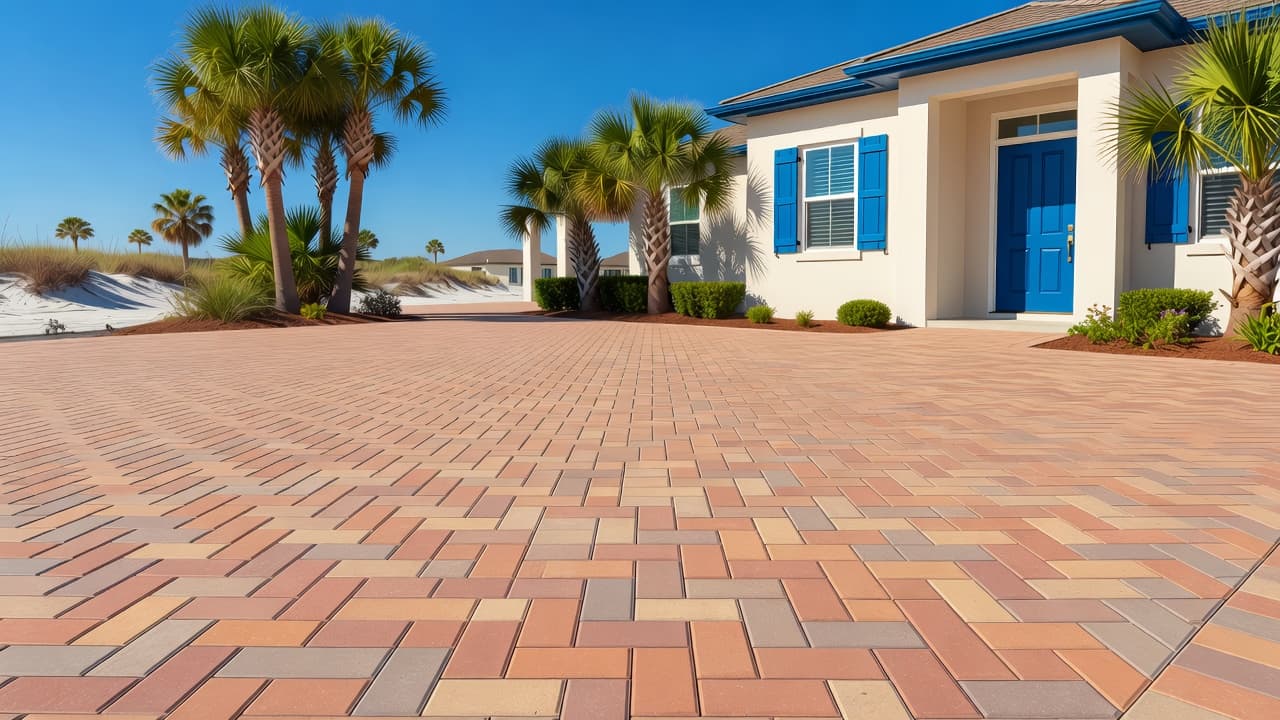
Salt makes this process much harsher. It clings to the surface, settles into pores, and speeds up that tired, faded look. When pavers stay damp, algae and mildew also find a better foothold. That is when a driveway starts looking older than it actually is.
Salt does not need an oceanfront address. If you are near the Gulf, it rides the air and settles on your property.
Here is the pattern I notice most often regarding paver repair needs for brick pavers in Southwest Florida:
| What I see | What it usually means | Why it matters |
|---|---|---|
| Faded color | Sun and sealer wear | The surface loses its fresh look |
| White haze | Moisture and salts rising up | Pavers can look dusty or chalky |
| Thin joint sand | Rain, traffic, or improper washing | Pavers can shift over time |
| Dark patches | Algae, mildew, or grime | The surface stays dirtier and slicker |
The big takeaway is simple. Most issues requiring paver repair near the coast do not come from one dramatic event. They build slowly over time, then seem to show up all at once.
What salt air actually does to brick pavers
When I walk a driveway, I look past the obvious stains. Salt air usually shows up in smaller clues first. The color flattens out, the joints look weak, and the surface stops looking crisp, even after a rinse. While high quality paver installation is your first line of defense, coastal conditions eventually challenge even the best-laid surfaces.
One common issue is efflorescence, that pale, dusty film that can rise to the surface. It happens when moisture moves through masonry and leaves mineral deposits behind. Coastal moisture does not invent that problem, but it helps it show faster and more often. This affects all surfaces, whether you have concrete brick pavers, natural stone, or travertine pavers.
Then there is the joint sand. This part gets ignored until pavers start moving. The sand between each brick locks the field together, but when rain washes it out or ants disturb it, the pavers lose support. Tiny gaps turn into shifting, and shifting eventually turns into sunken pavers or noticeable edge wear. When these structural issues appear, professional paver repair is often required to restore the integrity of the area.
The sun adds its own punch. Southwest Florida UV rays are rough on almost every exterior surface. Old sealer breaks down and color fades. Once the barrier is gone, the materials are more open to stains from rust, leaves, oil, and organic growth.
That is why I never treat paver care as a one-time chore. A clean driveway can still be vulnerable, and a pretty patio can still be wearing down underneath. If the surface is unsealed or the last coating has failed, the coast keeps taking its little bites.
I also pay attention to drainage. If water hangs around after a storm, the trouble usually grows faster. Damp spots feed algae, and saturated joints lose sand sooner. When the same corner of the driveway starts looking bad again and again, it is not just bad luck. It is a clear sign that the material needs better protection or maintenance to survive the elements.
Cleaning isn’t the same as protecting
This is where a lot of homeowners get frustrated. They perform paver cleaning, the color comes back for a bit, then the tired look returns. That is because cleaning and protecting are two different jobs.
Pressure washing has a place. I use it as a tool, not a miracle. Done right, it removes buildup and opens the surface for the next step. Done wrong, it strips out joint sand, scars the pavers, and leaves the field weaker than before.
A proper restoration for interlocking brick pavers usually follows a clear order:
- Clean the surface with the method best suited for the soil and staining.
- Let the pavers dry fully.
- Replace lost joint sand to stabilize the interlocking brick pavers.
- Apply a sealer that fits the surface and environmental exposure.
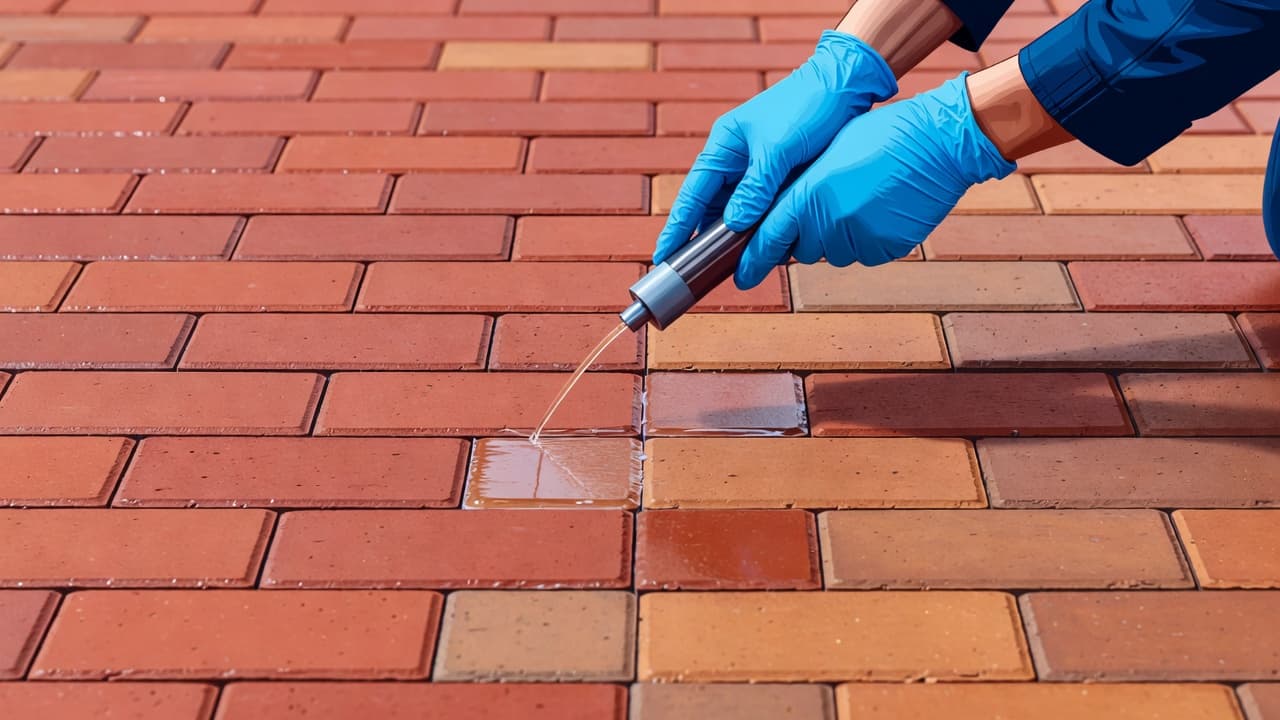
That last step matters more than people think. Professional paver sealing is not just for aesthetics. It is the protective layer that helps slow salt exposure, reduce staining, hold joint sand in place, and make future maintenance easier. It also brings back depth in the color, which is why sealed pavers often look sharper and more even.
I do not see sealing as a forever fix. Nothing outside in Southwest Florida is forever. I see it as smart maintenance. Even the highest quality paver installation requires these periodic maintenance steps to ensure long-term durability. You give the surface a fighting chance before the next rainy season, the next summer sun, and the next wave of grime.
If your driveway already looks washed out or patchy, now is usually the right time to act. Get a free estimate for paver sealing or paver cleaning services before small wear turns into a bigger, more costly reset.
One more thing, not every cleaning method belongs on every surface. Brick pavers can handle more force than a roof, but even then, too much pressure can do more harm than good. Good results come from the right process, not the loudest machine.
Salt air hits more than the driveway
I like to look at the whole exterior, not one surface in isolation. If the pavers are taking a beating, the rest of the house usually is too. Salt, humidity, shade, and runoff do not stay in one lane. These elements affect your entire outdoor living space, from your patio pavers and pool deck pavers to the retaining walls that frame your landscape.
That is why roof cleaning often enters the same conversation. A roof with algae streaks or buildup does not need brute force. It usually needs a soft wash method that cleans without damaging the material. The same goes for siding, lanais, and other exterior areas that trap moisture and grime.
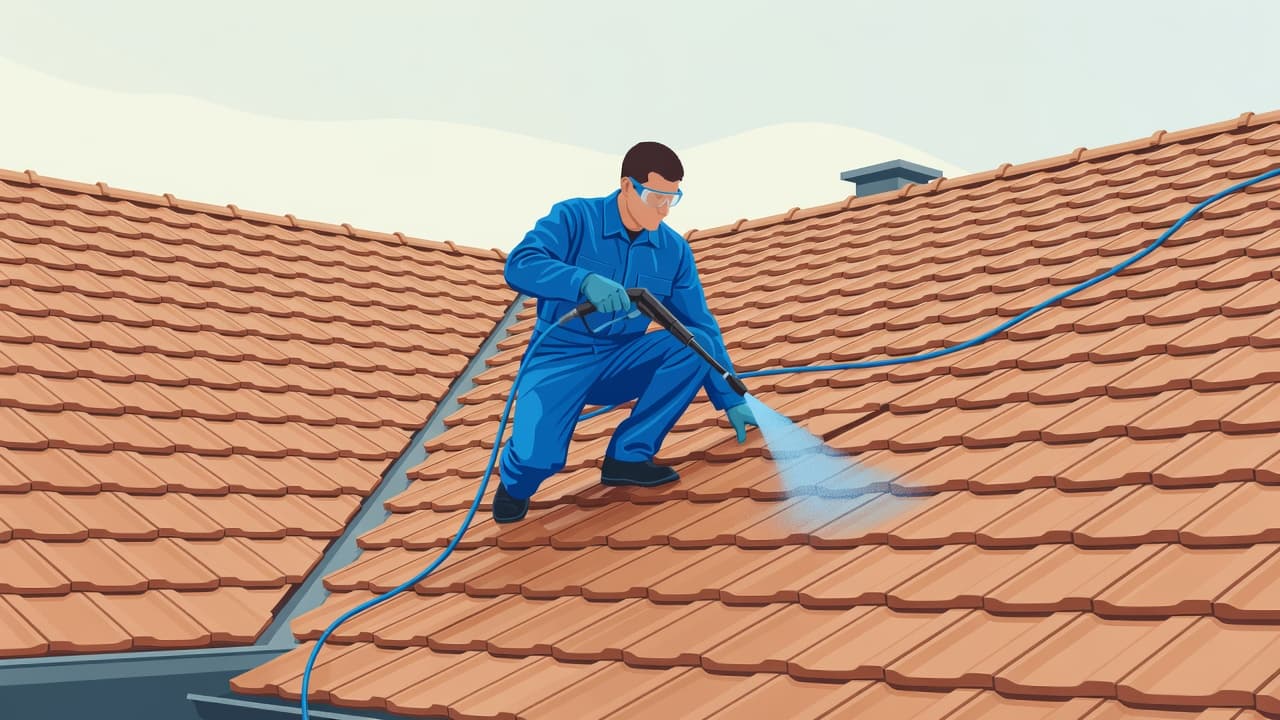
When those upper surfaces stay dirty, the mess works downhill. Runoff stains walls. Debris lands on your walkway pavers. Damp zones linger near the house and along pool decks. While proper paver installation helps mitigate some drainage issues, gravity eventually carries grime downward. Before long, you are not dealing with one ugly spot, but a chain reaction affecting your entire property.
I see the best long-term results when homeowners think in seasons. Check the pavers before the heavy rains. Watch the roof and shaded walls for growth. Clean buildup before it gets baked in. Re-seal before the surface looks spent, not after.
That approach protects more than curb appeal. It protects the feel of the property. A clean entry, solid joints, and well-kept pavers make the whole home look cared for. Around here, that stands out fast.
Frequently Asked Questions
How often should I have my brick pavers sealed?
While it depends on exposure to sun and moisture, most pavers in Southwest Florida benefit from professional sealing every 2 to 3 years. Regular applications help maintain the protective barrier against salt, UV rays, and organic growth, extending the life of your hardscape.
Can I just pressure wash my pavers myself?
While homeowners can perform light cleaning, improper pressure washing often does more harm than good by stripping out essential joint sand and scarring the brick surface. Professional services use the correct equipment and methods to clean effectively without damaging the structural integrity of your pavers.
Why do my pavers look chalky even after cleaning?
That white, dusty film is often efflorescence, which occurs when moisture moves through the masonry and leaves mineral deposits behind. In our humid coastal climate, this happens frequently, and professional cleaning followed by a quality sealer is usually required to properly treat and mask the issue.
Does salt air really damage pavers inland?
Yes, the salt-heavy air in Southwest Florida travels far past the immediate coastline, clinging to surfaces and speeding up the breakdown of sealers and brick materials. Even if you are several miles from the Gulf, the combination of daily wet-dry cycles and salt air creates a harsh environment for your driveway and patio.
Final Thoughts
Salt air is relentless on exterior surfaces, and brick pavers in Southwest Florida feel the effects every day. This environment leads to faded colors, weakened joint sand, white haze, and a rapid buildup of grime.
The solution is straightforward. You need to clean the surface using professional methods, protect the area with high-quality driveway sealing, and maintain a consistent care routine for all your exterior spaces. Whether you are looking at your driveway or your decorative entryway pavers, a smart maintenance cycle is the best defense against the elements. If you are starting fresh, proper paver installation serves as the essential foundation for long-term durability. By choosing a company that is licensed and insured, you ensure that your investment is protected by professionals who understand the specific challenges of maintaining brick pavers in Southwest Florida. When your pavers, walls, and roof all remain on a regular maintenance schedule, the harsh coastal air has much less impact on your property.