
A candle can make an outdoor patio feel warm and inviting, but that atmosphere changes quickly when melted wax lands on your brick pavers. Once the wax hardens inside the rough surface, aggressive scraping can leave behind a greasy mark, spread the stain further, or even pull the pigment from the brick.
Learning how to remove candle wax from brick pavers effectively requires a careful approach. I remove this residue in stages. First, I lift the hardened material from the surface. Then, I draw out the remaining oil with gentle heat and finish by cleaning the area with a mild solution. The right method for your candle wax brick pavers project often depends on the age of the spill, whether the pavers are sealed, and how deep the wax has penetrated the joints.
Key Takeaways
- Let fresh wax harden completely before attempting to remove it.
- Facilitate safe wax removal by using a plastic scraper, low heat, and absorbent towels instead of metal tools or open flames.
- Test every cleaning product in a hidden area before treating the visible stain on your brick pavers.
- Avoid strong solvents, acids, bleach, and aggressive pressure washing to prevent surface damage.
- Old, dyed, or widespread wax stains may require professional paver cleaning and restoration services to achieve the best results.
Why Candle Wax Sticks to Brick Pavers
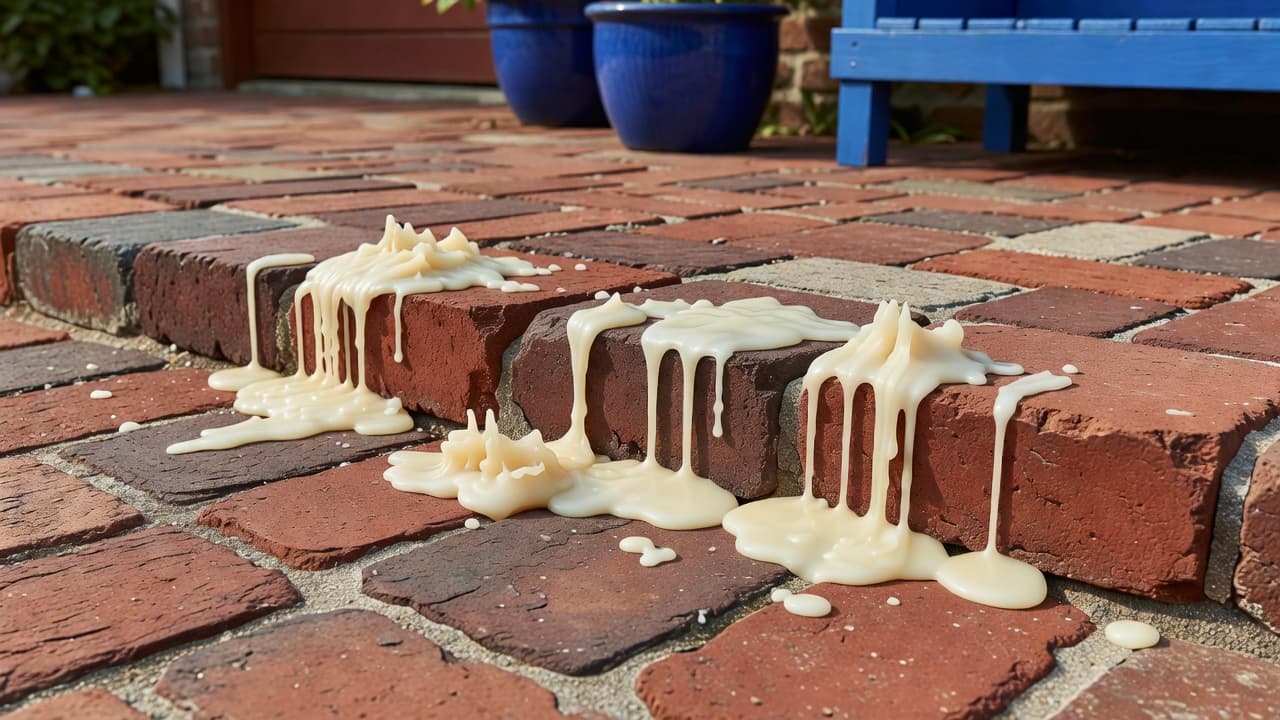
Brick pavers are inherently porous. Their small surface openings allow them to function as permeable surfaces that readily hold candle wax, candle dye, soot, and oily residue. While smooth indoor tile often allows a spill to peel away in one piece, the textured face of clay brick or clay pavers grips the wax firmly.
The problem often intensifies when the spill is stepped on or driven over. Foot traffic presses the material deeper into the texture. Vehicle weight can spread the spill across several pavers and down into the joint sand. Sunlight may soften the top layer during the day, while cooling evening temperatures cause it to harden again, locking the material into the pores.
Colored candles introduce an additional concern. Red, purple, green, and blue wax can leave stubborn pigments behind long after the solid wax has been removed. A pale candle might only leave a faint greasy shadow, but a darker candle can result in a deep oil stain that requires more intensive cleaning.
Surface sealer changes how the spill behaves. On a properly sealed surface, the candle wax may sit closer to the top and release more easily. On an unsealed driveway or patio, the residue can absorb much faster. Furthermore, an uneven wax coating can form if the existing protective sealant has worn away inconsistently, which may cause one area to clean up quickly while another remains dark and stained.
A general paver cleaning and sealing walkthrough can help you understand why a dry, properly prepared surface is essential before applying any protective product. Effective wax removal should always be completed before professional driveway sealing or patio sealing begins.
Check the Spill Before You Start
I first look at the size, age, and location of the candle wax. A few drops on the face of one paver are easier to handle than a large spill, such as melted citronella candle wax, that has filled several joints.
Fresh wax should be left alone until it becomes firm. Trying to wipe it while it is still liquid usually spreads the material over a larger area. For this reason, you should avoid using hot water immediately, as it can liquify the wax further and push it deeper into the brick pores. If the weather is hot and the wax remains soft, place a sealed bag of ice over it for a short time. Keep moisture contained so water does not soak into the brick.
Next, check whether the pavers have a coating. A glossy or wet-look finish may indicate sealer, but appearance alone does not confirm what product was used. If you know the name of the sealer, follow its care instructions. Some solvents and strong cleaners can soften, cloud, or remove that coating.
I also inspect the joints. Wax that only sits on top can often be lifted by hand. Wax that has soaked into joint sand needs a slower approach. Removing too much sand may leave the pavers loose, especially after heavy Florida rain.
Test the process in a hidden corner first. Choose the same paver color and use the same amount of heat and cleaner planned for the visible stain. Stop if the brick lightens, the finish becomes cloudy, or the color transfers to the towel.
A patio paver wax removal discussion shows how different the results can be when wax has remained outdoors through multiple seasons. Older stains need more patience, not harsher treatment.
Effective Removal Methods for Candle Wax on Brick Pavers
I use the least aggressive method that can remove the material. Rushing usually creates a larger stain or damages the paver face.
-
Let the wax harden.
Wait until the wax is firm. For a soft spill, use a bag of ice wrapped in a towel. Never pour boiling water or hot water over the spot. Hot water can liquefy the wax and drive it deeper into the porous brick surface and joint sand. -
Lift the thick layer with plastic.
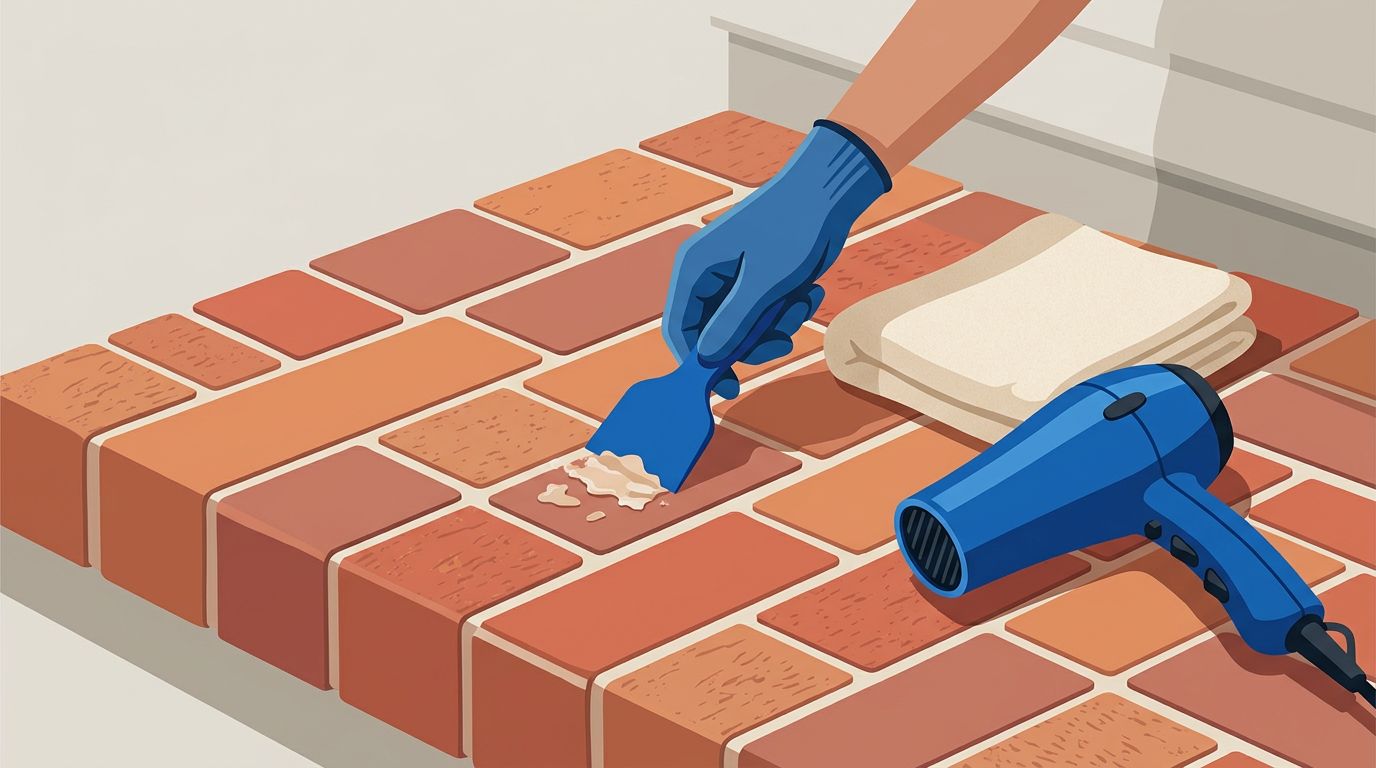
Use a plastic putty knife, old gift card, or another dull plastic edge. Hold it at a low angle and push under the wax. Work from the outside toward the center. Avoid twisting the tool because that can drag residue across the brick. -
Warm the remaining film carefully.
For a thin layer that won’t scrape away, use a household hair dryer on low or medium heat. Keep it several inches above the surface and move it constantly. The goal is to soften the wax, not heat one brick until the sealer or color changes.Place white paper towels or a clean white cloth over the softened area. Press and lift to absorb the residue with the paper towel. Don’t rub in circles. Replace the towel as soon as it picks up wax, or you will transfer it back to the paver.
A DIY guide to removing wax from patio stones also discusses warming the wax and blotting it with paper towels. I would use a hair dryer before a heat gun because a heat gun produces much higher temperatures and gives homeowners less room for error.
-
Clean the oily residue.
Mix warm water with a small amount of mild dish detergent or a dedicated degreaser. Apply it to the spot to break down the remaining oil stain, then use a soft nylon brush to work across the brick. Keep the brush controlled and avoid scrubbing the joint sand out of place. -
Rinse without blasting.
Use a garden hose with a gentle spray. Rinse the cleaner away from the paver and toward an appropriate drainage area. If a wax film remains, let the surface dry and repeat the mild cleaning step. -
Inspect after drying.
Wet brick can hide a remaining grease mark. Give the area time to dry completely before deciding whether the stain is gone. If candle dye remains, don’t keep adding household chemicals. At that point, the paver may need a masonry-safe stain treatment.
I always use white towels during this process. Colored cloth can transfer dye and make the original problem harder to judge. I also keep the work area small so the cleaning solution does not spread into clean pavers.
Products and Tools I Avoid
The wrong product can leave more damage than the wax itself. Brick may look strong, but its surface and protective coating can react badly to heat, chemicals, and sharp tools.
I do not recommend these common shortcuts:
- Metal scrapers or razor blades, which can scratch the brick face and leave bright marks.
- Open flames, which can scorch brick, ignite nearby materials, or damage any applied sealant.
- High heat from a heat gun, which can easily blister or compromise the surface of sealed brick pavers.
- Acetone, paint thinner, goo remover, or similar harsh solvents, which may spread colored wax, damage the masonry, or strip away your protective sealant.
- Strong acids and bleach, which can discolor masonry and weaken the surrounding materials.
- Immediate use of a pressure washer, which can drive softened wax deeper into the pores of the brick and remove the joint sand.
While a pressure washer has a place in routine maintenance, relying on force alone will not effectively dissolve candle wax. If the nozzle is held too close, the intense water pressure may etch the surface of your brick pavers, strip existing sealant, or leave unsightly lines across the patio. It can also disturb the sand that helps keep interlocking units stable.
A mild cleaner and controlled rinsing are safer for a small spot. When a professional uses a pressure washer to clean your hardscape, the surface should be assessed first. The cleaning pressure, spray pattern, distance, and rinse method all need to be carefully matched to the specific type of paver to avoid permanent damage.
When Professional Paver Cleaning Makes Sense
Home removal works best for a small, recent spill with no major dye discoloration. I recommend professional help when the wax covers a large section, has entered the joints, or has remained through several seasons.
Old candle wax may combine with dirt, mold, soot, and weathered sealer. Removing only the visible top layer can leave a dark outline or a deep-set oil stain that returns after the next rain. A professional can clean the surrounding area evenly instead of creating one bright patch in the middle of a stained driveway, ensuring a consistent look across all your patio pavers.
Kingsway Paver Sealing & Pressure Cleaning uses controlled methods for cleaning pavers and restoring travertine surfaces. Depending on the material, the work may include careful pressure washing, a safe pre-treatment, joint sand replacement, re-leveling, and sealing after the pavers are clean and dry.
Candle wax is different from the algae and organic growth treated with a soft wash. Roof cleaning and house washing also require different methods because siding and roofing materials cannot be treated like brick. Each surface needs the right amount of water pressure and the right cleaning solution.
Once the wax is removed, driveway sealing can help reduce future absorption and make routine cleaning easier. Sealer will not make pavers stain proof, but it can give spills less opportunity to settle into the pores. For service in Fort Myers, Naples, Cape Coral, and nearby Southwest Florida communities, you can Get a Quote for paver cleaning, restoration, or sealing.
How to Prevent More Wax Stains
The easiest wax stain to remove is the one that never reaches your patio. I recommend placing outdoor candles in stable holders with a tray underneath. A tray catches drips before they reach brick pavers, clay pavers, or any other permeable surfaces like joint sand and concrete.
Keep candle holders level and away from areas where people walk. Trim the wick according to the candle manufacturer directions so the flame does not produce unnecessary soot. After outdoor gatherings, inspect the patio while the area is still easy to access.
If candle wax spills, block foot traffic around it and let it harden. Removing it the same evening is much easier than allowing dirt to stick to the surface for weeks.
Regular maintenance also helps. Sweep leaves and debris from patios and driveways, rinse away residue after storms, and avoid harsh household chemicals. Many homeowners schedule professional paver sealing every two to three years to protect the stone, but the right timing depends on traffic, sun exposure, rain, and the condition of the existing sealer.
Frequently Asked Questions
Can I use hot water to melt the wax for easier removal?
No, you should avoid using hot water on candle wax spills. Applying heat this way often liquifies the wax, causing it to seep deeper into the porous brick and joint sand rather than lifting it away.
Is it safe to use a metal knife to scrape off the hardened wax?
It is best to avoid metal tools like knives or razor blades on your pavers. These can easily scratch the brick face, remove the protective finish, or leave visible gouges that are difficult to repair.
Why does my candle wax stain look different after I clean it?
If a greasy mark or shadow remains, the wax may have absorbed into the brick pores or the pigment from a dyed candle has stained the surface. You should let the area dry completely before deciding if further treatment is needed, as damp brick can often hide the true appearance of a stain.
Should I use pressure washing to remove large wax spills?
Pressure washing is not recommended for localized wax removal because the high force can drive the wax deeper into the masonry. If the wax covers a large area, it is better to contact a professional who can use appropriate heat and cleaning solutions to restore the surface without damaging the pavers.
Conclusion
Successful wax removal from brick pavers does not require aggressive chemicals or heavy pressure. The process relies on patience, so let the wax harden, lift it with a plastic scraper, soften any remaining film with gentle heat, and blot the area instead of rubbing.
Small spills can often be handled safely at home using these simple steps. However, older stains, colored wax, damaged sealer, and buildup within the joints may require a more careful cleaning plan. By choosing the right technique to clean up candle wax and committing to regular paver maintenance, your patio or driveway will stay pristine without losing its original color and texture.