
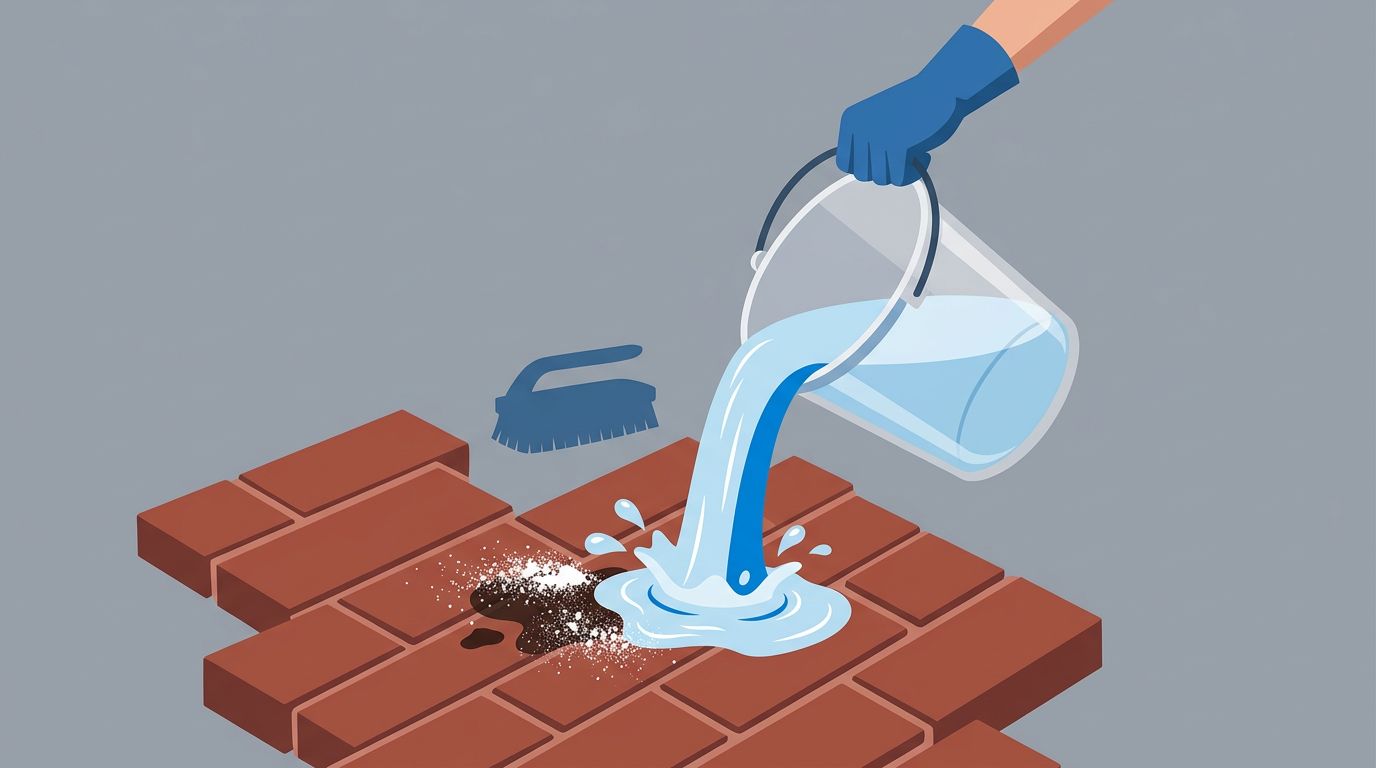
A spill of muriatic acid on brick pavers can turn from a minor accident into permanent damage very quickly. I frequently see this happen when a homeowner is attempting DIY mortar removal or trying to remove efflorescence, only to have the acid solution remain on the surface for too long.
The problem is straightforward. Muriatic acid does not simply stop at the stain; it continues to etch the surface until it is properly diluted and neutralized. If you handle a spill the wrong way, you risk leaving behind unsightly light spots, rough textures, and damaged joint sand that can compromise the integrity of your hardscape.
Key Takeaways
- Muriatic acid can etch brick pavers in minutes, not hours.
- Water is the first move, not more cleaner.
- Baking soda can help neutralize leftover acid after a good rinse.
- Scrubbing too hard can spread the damage.
- If the pavers are faded or rough, cleanup may not be enough, and professional restoration or driveway sealing may be needed to address the permanent surface damage.
Why Muriatic Acid Is So Hard on Brick Pavers
Muriatic acid is an exceptionally potent chemical, which is precisely why people often reach for it when tackling masonry projects. While it can be useful for certain construction cleanup jobs, its aggressive nature means it can easily damage the surfaces it touches.
When muriatic acid contacts brick pavers, the chemical reaction often causes the finish to turn dull, chalky, or blotchy. Because these paving stones are porous, the acid can quickly eat into the concrete aggregate beneath the surface, leading to permanent pitting or structural decay. Furthermore, the acid can severely weaken the mortar or joint sand surrounding the stones. If you are attempting mortar removal, be aware that the combination of harsh acid and the mechanical stress of scrubbing mortar can rapidly accelerate the degradation of your brick pavers. If a spill is left untreated, the damage often manifests as a light ring, a soft spot, or a patch that appears chemically burned.
Even sealed surfaces are not immune to this hazard. While a high-quality sealer can provide a temporary barrier, it will not make your patio or walkway acid-proof. If the spill is concentrated enough, the protective finish will fail, leaving the material underneath vulnerable to etching.
I always tell homeowners to think of it this way: acid acts like a hot knife on a soft surface. Once the chemical reaction begins, you must neutralize it immediately to stop the corrosion before you focus on cleaning the stain itself.
What To Do Right After the Spill
The first few minutes following an accidental muriatic acid spill are critical. Immediately keep people and pets away from the area, and ensure you are wearing the proper personal protection equipment before approaching the site. This includes wearing safety glasses to prevent splashes, chemical-resistant protective gloves, and a vapor respirator if you are dealing with strong fumes.
Start the water dilution process by flushing the spot with plenty of clean water. Use a hose if you have one nearby to rinse the area thoroughly. The goal is to dilute the acid and move it off the pavers, not to grind it into the porous surface.
If the area is still bubbling, the acid from your acid application is still active.
Do not add bleach, ammonia, or any other household cleaner to help the process. Mixing chemicals can create dangerous fumes and make the situation significantly worse. If the liquid got on your skin, rinse the affected area with running water for a long stretch of time and seek medical help if irritation persists.
If the spill is large, the fumes are overwhelming, or the pavers are located in a tight, poorly ventilated space, I recommend you stop there and call a professional. A rushed cleanup can leave you with a much higher restoration bill than the original problem.
Safe Cleanup Steps for Acid on Brick Pavers
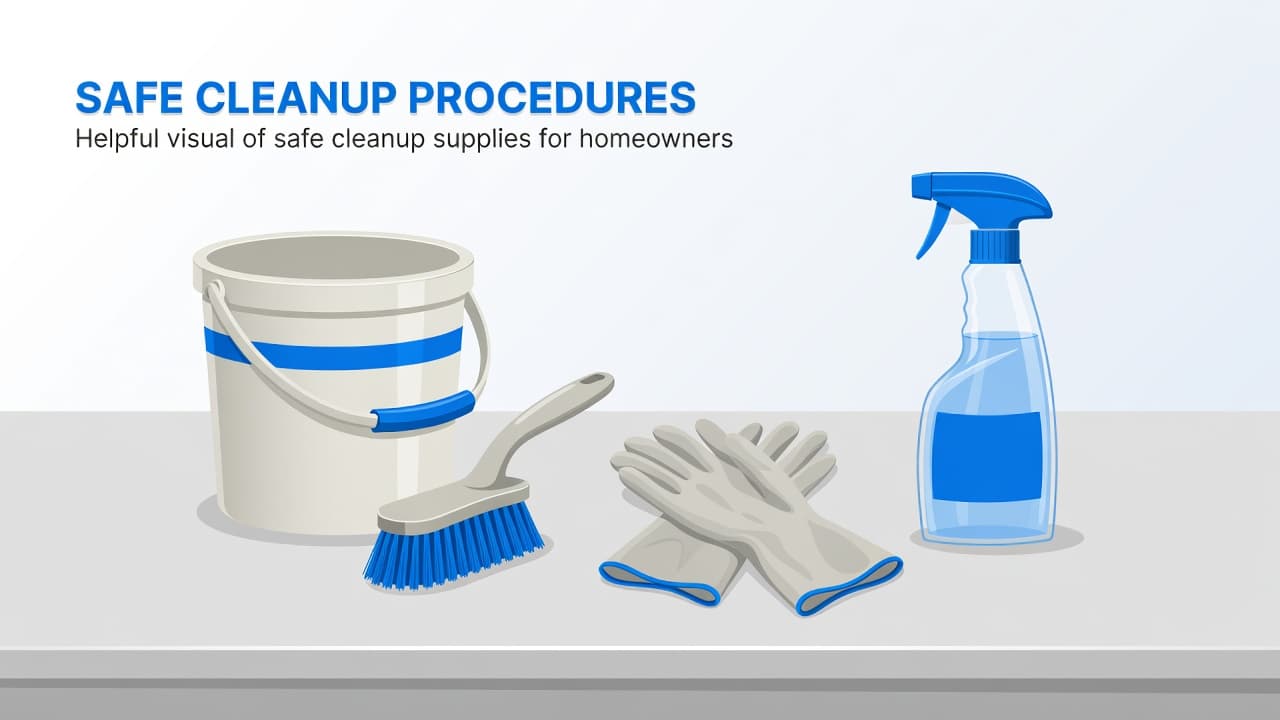
Once the area is flushed, I transition into a controlled, methodical cleanup routine. Always wear protective gloves before beginning to ensure your skin remains safe from any lingering acidity.
- Rinse the area again with a steady flow of clean water to dilute any remaining residue.
- Sprinkle baking soda over the wet spot. If you were mixing the acid before the spill, ensure you check the dilution ratio to gauge how much baking soda is required to reach a neutral pH level.
- Allow the fizzing reaction to complete, then rinse thoroughly with clean water to clear away the neutralized cleaning solution.
- Use a soft-bristle brush only if necessary, and keep your pressure light. Avoid using a hard bristled brush, as this can easily lead to permanent surface damage on your pavers.
- Collect the runoff carefully so it does not migrate to your plants, storm drains, or nearby surfaces.
I avoid using wire brushes because they can scar the brick and make an etched area look even worse. It is also important to avoid pressure washing while the acid is still active, as this can spread the corrosive liquid to healthy sections of your hardscape.
After the neutralizing step, a gentle rinse is usually enough for a small spill. If the area still feels rough or looks lighter than the rest of the driveway, the pavers may have already suffered from acid etching.
When Cleanup Turns Into Restoration
Sometimes the spill is gone, but the damage remains. That is when I shift my focus from simple cleanup to professional restoration.
If your paving stones are visibly bleached, the joints are washed out, or the texture feels sandy, the area may be suffering from significant surface damage caused by the muriatic acid. In these cases, I recommend a full paver restoration process, which includes replacing the joint sand and applying a high-quality sealant. While sealing will not erase existing chemical burns, it is essential for protecting the integrity of the surface once it is back in shape.
This is also the time to inspect the rest of the property. If acid splash or runoff reached nearby concrete, siding, or delicate galvanized metal fixtures, you must proceed with caution. Pressure washing should only be used post-neutralization and strictly on appropriate surfaces. For more sensitive areas, a professional soft wash is necessary. If overspray reached your roofline, roof cleaning requires a gentle method rather than a high-pressure blast to avoid further harm.
This careful approach prevents one small mistake from turning into multiple damaged areas across your property.
If you want help with cleanup, restoration, or sealing, Get a Quote and I will take a look.
What I Tell Homeowners Before They Try Another Acid Cleaner
I always advise homeowners to use a little less chemical and a lot more water. That sounds simple, but it is the best way to protect your brick pavers. A careful rinse, a proper neutralizing step, and the right follow-up work usually achieve better results than a strong cleaner ever will.
Before you consider using muriatic acid again, I recommend starting with a test cleaning area in an inconspicuous spot. Often, a milder masonry detergent is a much safer alternative for general maintenance and routine cleaning. These options are less aggressive yet effective at removing grime without the extreme risks associated with harsh acids.
The main thing to remember is that muriatic acid and brick pavers are not a forgiving mix. If you leave these chemicals un-neutralized, you risk permanent surface damage. If you catch a spill early, you may get away with a quick cleanup. However, if you wait too long or use the wrong products, you may be looking at a costly restoration and professional driveway sealing to bring your surfaces back to life.
Frequently Asked Questions
Can I use vinegar to neutralize a muriatic acid spill?
No, you should never use household acids like vinegar to neutralize a spill, as it will not effectively counteract the chemical reaction. Instead, use a basic substance like baking soda, which creates a safe chemical reaction that effectively neutralizes the acidity.
Will the light spot left by the acid eventually fade on its own?
Unfortunately, an acid-etched spot on brick pavers is usually permanent because the acid has physically altered the surface of the stone. While the appearance might soften slightly over time with weathering, you will likely need professional restoration or sealing to blend the damaged area with the surrounding pavers.
Is it safe to use a pressure washer to clean up a large spill?
You should avoid using a pressure washer immediately after a spill, as the high-pressure water can spread the active acid to unaffected areas of your hardscape. Always prioritize manual dilution with a garden hose and neutralization with baking soda before considering any mechanical cleaning methods.
How can I tell if my pavers have been permanently etched?
You can usually identify permanent etching if the surface feels rough, sandy, or looks significantly lighter than the surrounding bricks even after a thorough rinse and neutralization. If these textural changes are present, the acid has eaten into the concrete aggregate, and a simple cleaning will not restore the original finish.
The Takeaway
A muriatic acid spill does not need to turn into a full driveway disaster, but it requires fast, decisive action to protect your brick pavers. Remember to use water first, neutralize the area second, and always keep your scrubbing gentle to avoid further surface damage.
If your brick pavers still look dull, rough, or faded after the initial cleanup, I treat that as a restoration problem rather than just a simple stain. The sooner the area is inspected following a muriatic acid spill, the better the chance you have of keeping your hardscape looking clean and even. If DIY cleanup fails, consider professional restoration to restore the integrity and aesthetic of your pavers.