
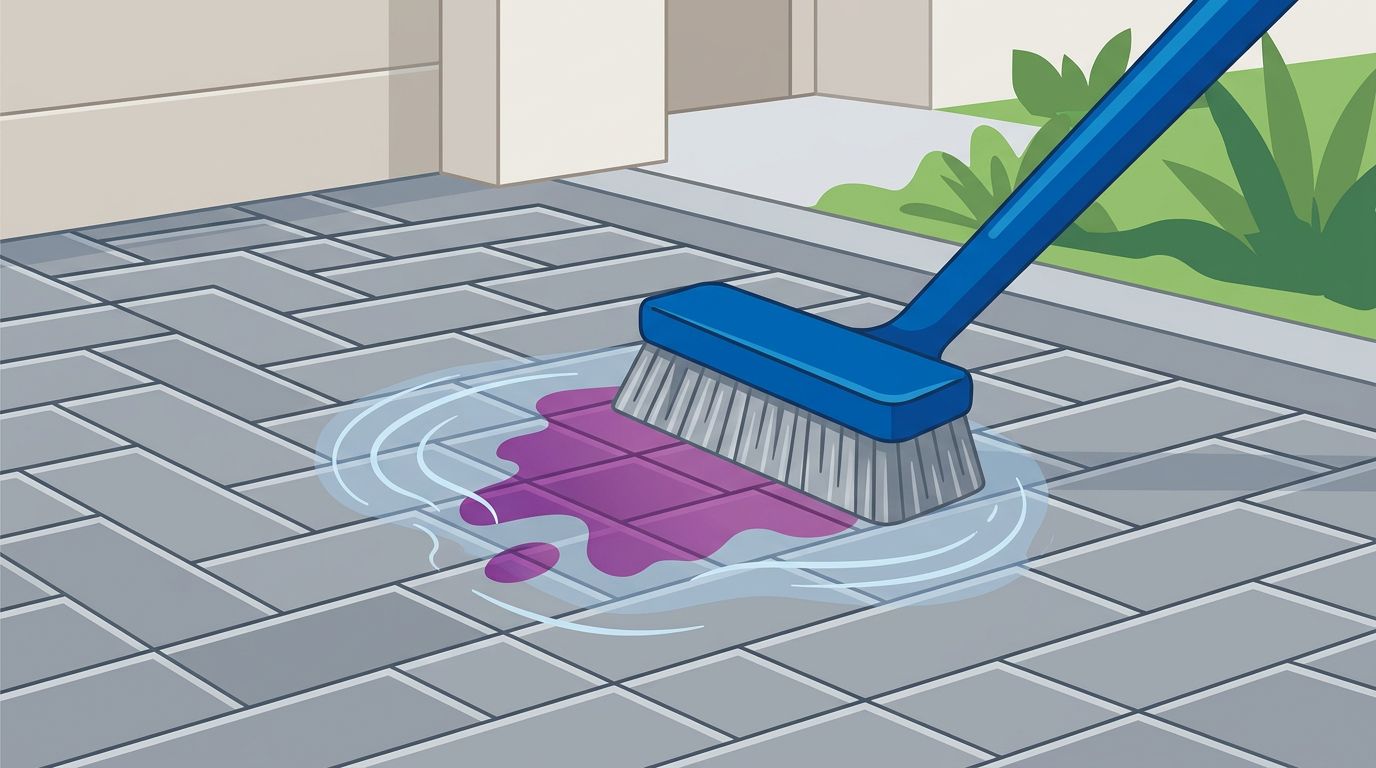
I know how fast a few dropped palm berries can turn a clean brick driveway into a purple mess. One windy afternoon, and the front of the house can look tired before you even notice what happened.
Brick is an honest surface. It shows every splash, every drip, and every stain that gets time to settle in. By learning the most effective ways to remove berry stains, you can keep your property looking fresh and clean throughout the season.
The good news is that palm berry stains are messy, but they are not a mystery. Once I know what I am looking at, I can clean smarter and keep the marks from coming back.
Key Takeaways
- Act Quickly: Fresh palm berry stains are significantly easier to remove; waiting allows the pigments to sink into the porous surface of the brick, making them much harder to lift.
- Avoid Harsh Scrubbing: Use gentle cleaning methods, such as mild dish soap or paver-safe cleaners with a nylon brush, to avoid damaging the brick texture and creating more places for future stains to hide.
- Pressure Wash with Care: Never use a pressure washer as a first resort; always apply a chemical pre-treatment first to break down organic matter so you can clean the surface without stripping the joints or forcing the stain deeper.
- Address the Source: Ongoing maintenance, including trimming overhanging palms and regular roof cleanings, is essential to stop the cycle of fruit debris falling and re-staining your driveway.
Why Palm Berries Leave Such Loud Marks on Brick
Palm berries do more than just sit on the surface. They burst, smear, and drop pigment into the tiny gaps that make brick pavers look good in the first place. These tannin stains are notoriously difficult because they penetrate the textured finish of the brick, which is great for grip but also provides a perfect place for discoloration to hide.
Sun makes the problem worse. Heat dries the berry juice quickly, and once that happens, the color starts sinking in like dye on a paper towel. If cars drive over the spill, the stain spreads. If rain hits it, the pigment can run into the joints and leave a wider purple shadow.
That is why one small cluster of berries can look like a much bigger problem by the end of the day. Fresh stains still sit on top. Older ones start to live inside the surface.
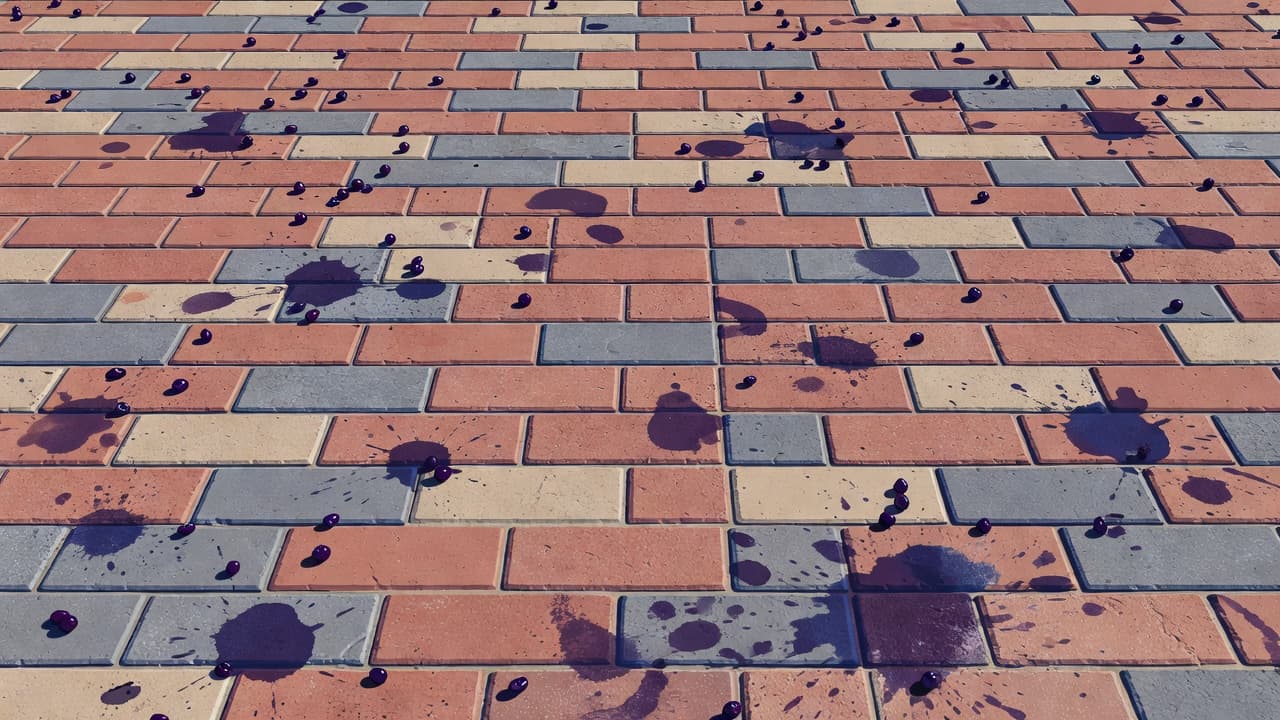
Here is the part I keep in mind when I am looking at a stained driveway:
| Stain stage | What I usually see | Best first move |
|---|---|---|
| Fresh | Wet berry juice on the surface | Sweep, rinse, and clean lightly |
| Set stain | Dull purple patches, less shine, more spread | Use a paver-safe cleaner and a nylon brush |
| Old | Faded but stubborn stain, often in the joints too | Repeat treatment or call in help |
A sealed driveway can slow this down, but it does not make the brick stain-proof. Once the color gets into worn sealer or exposed pores, it acts like it owns the place.
The faster I get the berries off the surface, the better my odds are. Time is the stain’s best friend.
What I Do the Minute a Stain Shows Up
I always start simple. First, I remove the fruit itself. A soft broom, a plastic scraper, or even a gloved hand can help if the berries are still intact. The goal is to stop more juice from spreading before I begin the stain removal process.
Next, I rinse the spot lightly. I do not blast it right away because a hard hit of water can push the stain deeper, especially if the brick is already warm from the sun. For a simple home remedy, a mixture of warm water and mild dish soap is a great starting point for cleaning these marks. If the berries have left behind sticky residue, I often use a boiling water technique as a hot water pre-clean to loosen the sugars before I start scrubbing. For lighter spots on brick, a small amount of lemon juice or just plain boiling water can sometimes lift the pigments effectively.
After treating the area, I use a paver-safe cleaner and a nylon brush. I work in small circles and keep the pressure low. That is usually enough for a fresh stain. If the mark has dried, I give the cleaner a little more time to work. I still avoid metal brushes and harsh scrubbing. Brick pavers are tough, but they can get scarred, and once the surface gets rough, future stains cling even harder.
I also pay attention to the joints. If the stain has settled into the sand lines, it may need a second round of cleaning. That is normal. The stain did not arrive in a hurry, so I do not expect it to leave in one quick pass.
If you want a clean driveway without guessing at products, I would start with the right help and the right process. Get a Quote for sealing or pressure cleaning services if the stain has already settled in.
Where Pressure Washing Helps, and Where It Does Not
Pressure washing has a place here, but I do not treat it like a magic wand. It works best after the stain has been loosened by proper chemical intervention. If I point a strong stream at a dry berry stain too soon, I can spread the color, strip joint sand, or leave a blotchy patch that looks worse than the original spot.
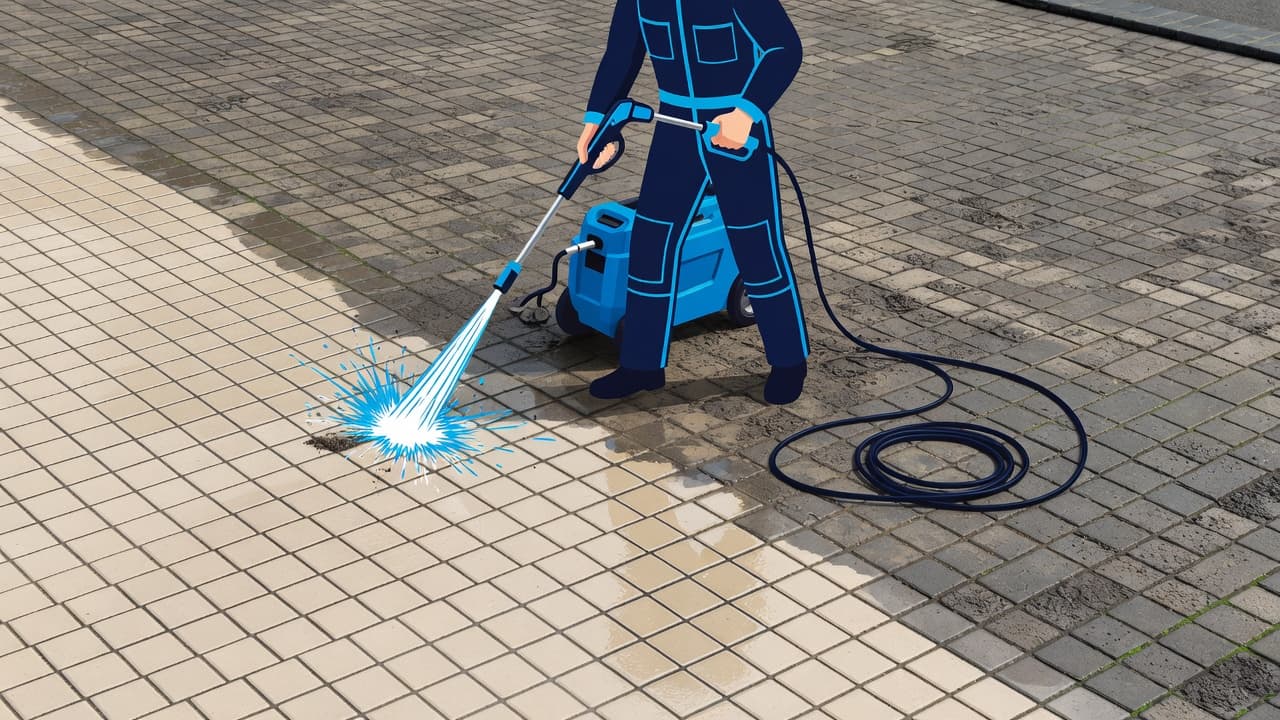
That is why I use pressure washing with a plan. I start with a pre-treatment, typically using a specialized concrete detergent or a solution containing sodium hypochlorite to break down the organic matter. I make sure to allow for proper dwell time, letting the chemicals lift the pigment from the porous brick surface before I begin rinsing. During the actual cleaning process, the wand stays moving and the nozzle stays at a safe angle. The goal is to clean the driveway, not carve into it.
That same caution matters with other parts of the property. A soft wash is the better choice for delicate surfaces like roofs, siding, and screened areas. If berries or debris are dropping from above, routine roof cleaning using a professional roof mix can neutralize organic growth and reduce the source of the mess before it keeps landing on the driveway.
I think about the whole path of the stain, not just the stain itself. If a palm is hanging over the roofline, dropping fruit onto the shingles, and washing down toward the drive, I do not want to fix the driveway only to have it stained again next week. That is where the right mix of roof cleaning, soft wash methods, and professional driveway care pays off.
I also like the result when a cleaned section stands next to a dirty one. You can see exactly what came out and what stayed behind. That contrast tells me whether I need another pass or a different cleaner to achieve a perfect finish.
How I Keep the Same Stain From Coming Back
Once the surface is clean, I look at prevention for both driveways and sidewalks. That starts with the trees. If palms are overhanging the paved areas, I trim what I can and stay ahead of the fruit drop. A few minutes of cleanup after a windy day beats a full stain job later.
Then I think about protection. Driveway sealing helps keep the brick from soaking up berry juice as fast. It will not stop every stain, but it gives me a better shot at wiping up a spill before it becomes a permanent part of the paver. I never seal over a dirty surface. The driveway has to be clean and fully ready first, or the sealer can lock in the problem. If the berries were crushed by car tires and mixed with oil, I use a high-quality degreaser to ensure the surface is pristine before applying any protective coat.
I also stay aware of the rest of the property. If the roof, gutters, or upper walls are collecting debris, I fix that too. A clean roof and a good soft wash can help stop dirty runoff from feeding the same stain over and over. That matters even more on homes with lots of palms close to the structure. For extremely stubborn organic residue or persistent tannin bleed that has settled deep into the porous material, professionals often use a concentrated solution of sodium hydroxide or oxalic acid to neutralize the discoloration.
A few habits make a real difference:
- Sweep fallen berries before they get crushed underfoot or under tires.
- Rinse small spots early, before the sun bakes the berry juice into the brick.
- Keep up with roof cleaning if debris keeps washing down from above.
- Revisit driveway sealing when the surface starts showing wear.
That is the part many homeowners miss. The stain on the brick is often just the last stop. If the palm is still dropping fruit, the drive is going to keep taking hits.
Frequently Asked Questions
Can I just use bleach to remove palm berry stains?
I generally recommend against using undiluted bleach, as it can damage your pavers and surrounding landscaping. It is much safer to use a paver-safe cleaner or a specific organic stain remover that is designed to lift tannins without harming the integrity of the brick.
Why does the berry stain look worse after I rinse it with water?
If you use a high-pressure stream or too much water on a fresh stain, you may accidentally spread the berry juice and push it deeper into the brick’s pores. It is better to gently blot or use a light rinse, followed by a proper cleaning solution, to lift the pigment safely.
Will sealing my driveway make it completely stain-proof?
While a high-quality sealer provides a protective barrier that gives you more time to clean up spills, it does not make brick immune to staining. Sealing makes your driveway much easier to maintain, but it still requires regular sweeping and timely spot cleaning to keep it looking its best.
How do I know if a stain is too deep for me to clean myself?
If you have tried a paver-safe cleaner and a nylon brush without success, the stain has likely settled deep into the material. In these cases, it is often time to call in a professional who has access to stronger, specialized solutions like oxalic acid to safely neutralize the pigment.
Conclusion
Palm berries can make a brick driveway look stained quickly, but successful fruit stain removal is a process that relies on patience and the right approach. Fresh spots are much easier to clean, while older ones require a bit more persistence. It is important to remember that pressure washing works best when it is part of a larger maintenance plan, rather than being your first move.
By treating the stain, protecting the surface, and addressing the source above, you can master effective stain removal. That is how I keep a driveway from getting stuck in the same cycle of recurring spots.