
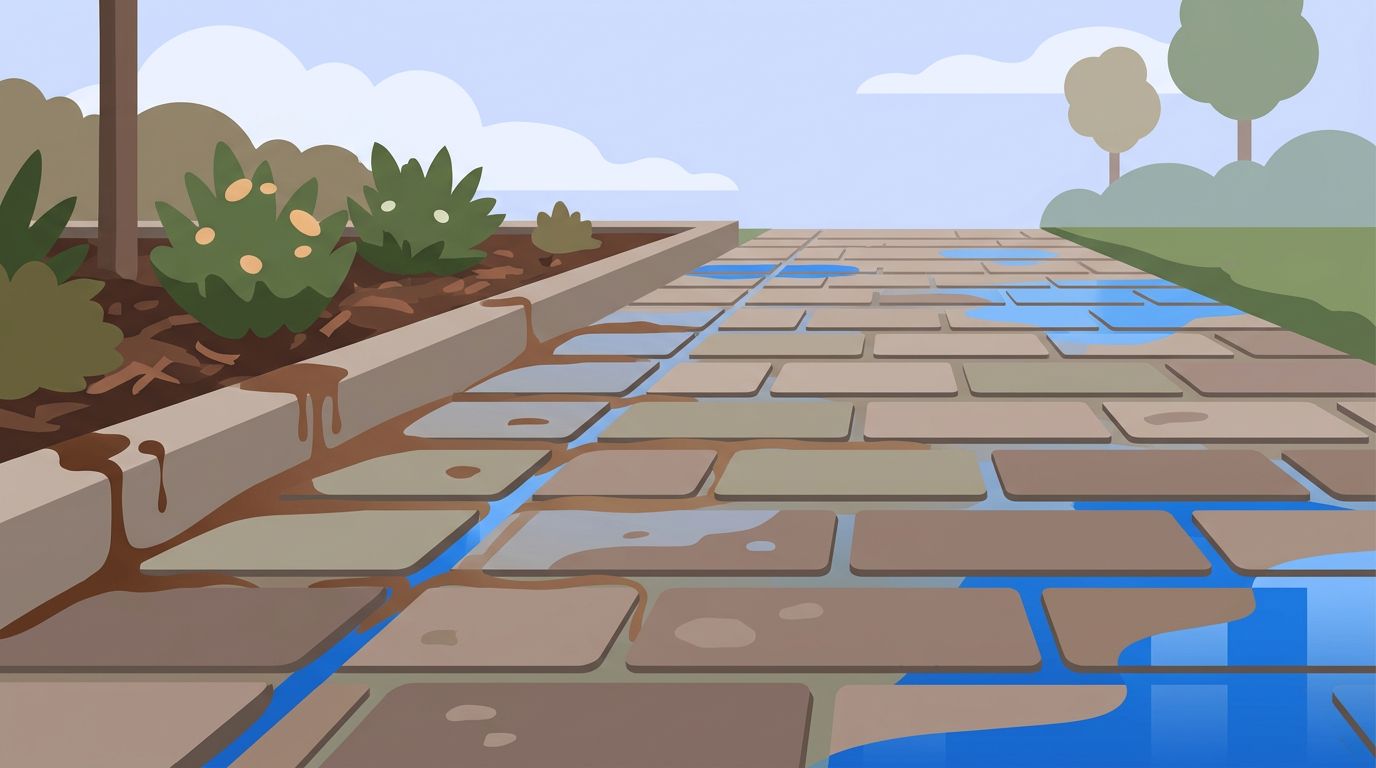
Rain can turn a tidy brick walkway into a streaky mess in one afternoon. I have seen brown runoff creep out of a flower bed, settle into the joints, and leave the whole path looking older than it is.
It is common to see mulch stains brick surfaces quite quickly after heavy rain. These marks spread with every storm, every splash, and every step, especially when the runoff originates from your home landscaping projects. Once I understand how the materials in my flower beds interact with the patio, the cleanup process becomes much less mysterious.
Key Takeaways
- Causes of Discoloration: Mulch stains occur when rain leaches natural tannins, dyes, and soil particles from garden beds, which then settle into the porous surface and joints of brick walkways.
- Vulnerability of Masonry: Because brick and mortar are porous and textured, they easily trap organic pigments, causing stains to set deeper with every subsequent storm.
- Effective Prevention: Maintaining a two-inch gap between mulch and walkways, installing physical edge barriers, and applying penetrating sealers are the best ways to stop runoff from bonding with the brick.
- Strategic Cleaning: Fresh stains can often be removed with soap and water, while set-in stains may require masonry-safe cleaners or cautious, low-pressure power washing to avoid damaging the joints.
Why mulch stains spread after rain
Mulch holds more than just wood fiber. It often contains natural tannins, soil particles, and synthetic mulch dye that can bleed when wet. If you use colored mulch, the manufacturers apply a dye concentrate to the wood, which can break down over time due to sun and moisture. When rain soaks these mulch beds, this mix of color and fine dust loosens up and begins to migrate.
I usually see the stain start at the edge of the landscape border. Then the water finds the lowest path, slips across the brick, and leaves a trail behind it. If the walkway slopes even a little, the runoff can carry this pigment further than you expect, which is an easy way to stain walkway surfaces permanently.
Brick walkways make this problem worse because they do not act like one smooth slab. The joints, texture, and tiny pits in the surface catch the muddy water. Once that happens, the liquid absorbs into the porous material, and the stain starts to spread like coffee on a napkin.
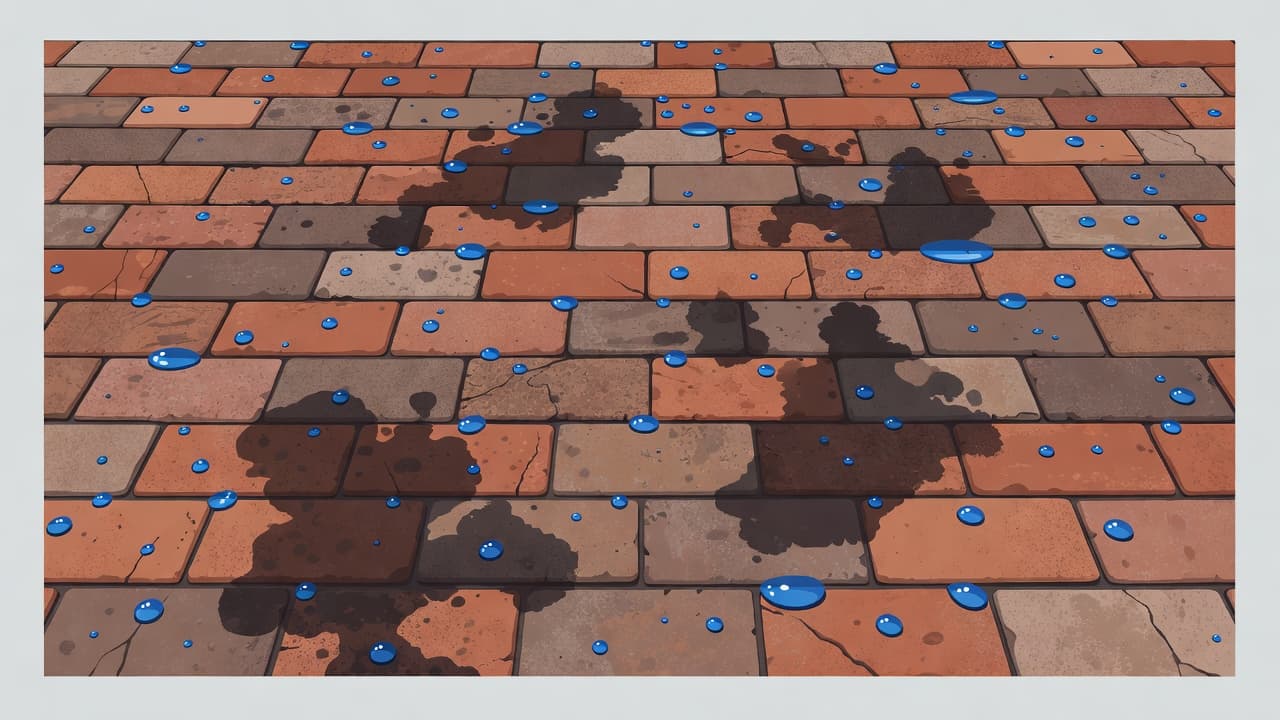
A stain at the bed edge is rarely just a stain. It is runoff in motion.
I also see this happen faster after a hard storm. Especially with fresh mulch, the product is more susceptible to being moved, broken down, and pushed into the first open gap it finds. That is why the same walkway can look pristine on a dry day, then become blotchy after one afternoon of heavy rain.
Why brick picks up color so easily
Brick is tougher than it looks, but it is not as impermeable as glass. These brick surfaces are full of pores and textures, and the mortar joints between them are notorious for holding onto colored runoff. That is where the pigment settles instead of simply rinsing off the top.
Older walkways often face additional challenges. The surface naturally wears down over time, and those tiny craters act like anchors for organic dyes. If the joint sand is thin or missing, water has even more room to seep through the path, leaving unsightly marks behind.
I often see the same issue on a concrete driveway or a paver patio. Much like brick, rain can easily stain concrete if the surface is neglected, as any area with joints and natural texture can trap runoff and pull it deeper with every passing storm.
A few factors make this problem worse:
- Loose mulch near the edge of the walkway
- Poor drainage along the garden bed
- Low spots in the brick path
- Open joints with weak or missing sand
- A walkway that has never been treated with a high-quality penetrating sealer
That last point matters more than most homeowners realize. A protective sealer does not stop every possible stain, but it provides a barrier that gives runoff less room to settle into the pores. It buys you precious time, and that time is essential when heavy rain is actively moving color across your masonry.
What I check before I clean it
Before I scrub anything, I look at the stain itself. Fresh runoff usually sits near the surface and still feels soft or muddy. Older stains dry darker and can work into the brick face and joints.
I also check the edge of the landscape. If fresh mulch is piled too high, the next rain will send more stain right back onto the walkway. If the edge of the mulch beds is low or uneven, the water has a clear path across the brick.
Here is what I pay attention to first:
- How old the stain looks
- Whether the brick is sealed
- Whether the joint sand is still in place
- If the stain follows the slope of the walk
- Whether the mulch bed is feeding the problem
If I spot white crust or hazy residue, I slow down and make sure I am not dealing with something else, like mineral buildup or efflorescence. Not every mark near mulch is a mulch stain. The shape, color, and direction tell the story.
The goal is not to blast at the first dark spot I see. The goal is to understand where the stain came from, so I do not clean one patch and leave the source untouched.
How I remove fresh and set-in stains
Fresh stains are easier to manage. I start by clearing away loose mulch and sweeping the walkway clean. Then, I rinse the brick gently so I do not push more color into the joints. When it comes to cleaning brick that has just been discolored, a simple mixture of soap and water is often enough to lift the surface tannins.
For set-in stains, I use a cleaner that is safe for masonry and let it sit long enough to loosen the residue. If the discoloration is stubborn, I might try a diluted solution of bleach and water, or even white vinegar for a more natural approach. A soft-bristle brush helps lift the stain without grinding dirt deeper into the brick, but if the stain is particularly deep, I switch to a stiff-bristled brush to reach into the textured surface. I keep the motion steady and controlled, because hard scrubbing can rough up the surface fast.
When the stain has really settled in, using a pressure washer can help. I use it carefully, because brick is not the place to go wild with force. The right pressure effectively helps to remove mulch stains, but the wrong pressure can strip joint sand, open more pores, or leave the surface looking blotchy. While a power wash is a great tool for cleaning brick, I always start with the lowest effective setting.
I do not treat brick the same way I treat roof cleaning or a soft wash on siding. Each surface needs its own level of care. Roof cleaning calls for a gentler touch, but a brick walkway can handle more direct attention if the pressure stays in check. When I need to remove mulch stains from a larger area, I prefer to work in sections. This keeps the clean line even and helps me see what is actually lifting, ensuring I do not miss the bigger runoff pattern.
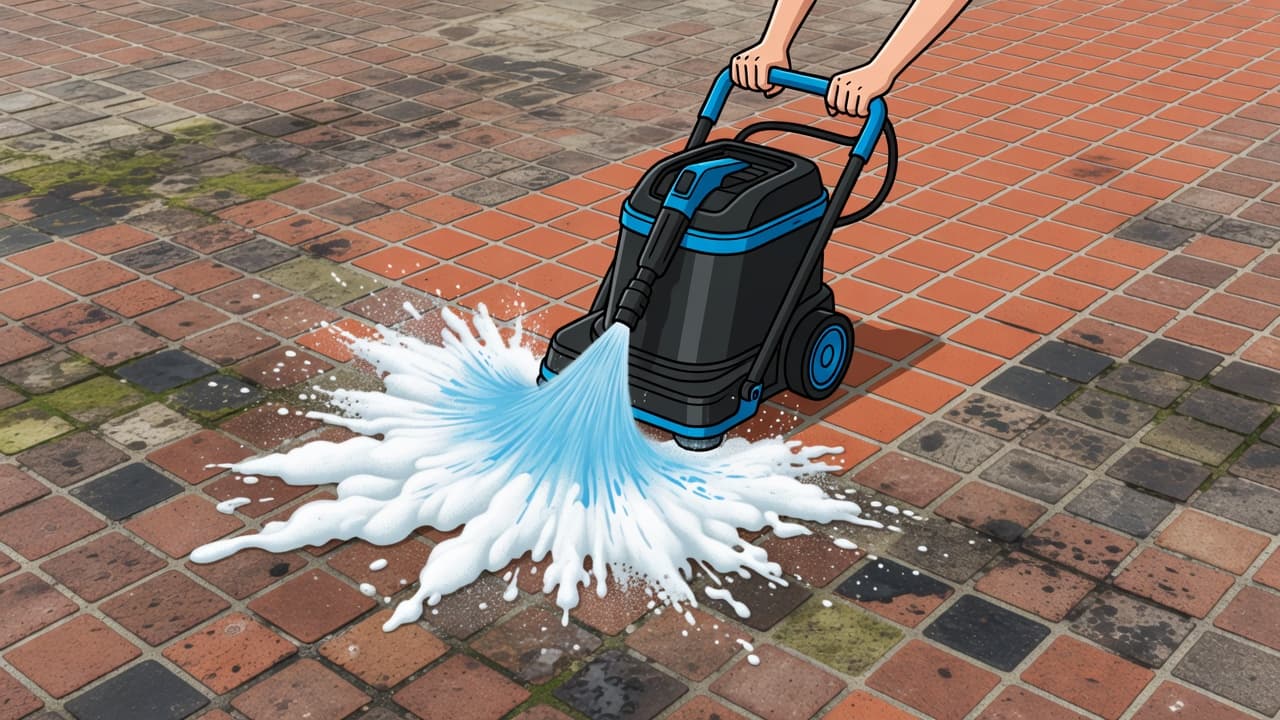
On brick, more pressure can mean more damage. I want the stain off, not the joint sand.
How I keep the stains from coming back
If mulch stains keep showing up, I look at the edge of the bed first. The mulch should sit below the top of the brick, not spill over it. Once the bed rises above the edge, rain has a built-in exit route. To prevent stains, I ensure the mulch is pulled back at least two inches from the walkway border.
I also like a clean border. Stone edging, a small curb, or a tight bed line can slow the runoff before it hits the walk. Even a simple adjustment in the mulch line can make a big difference after a storm.
A sealed surface helps too. I think of it the same way I think about maintaining a concrete driveway. Applying a penetrating sealer does not make the brick invincible, but it helps the water stay on the surface long enough to be rinsed away. That is a big deal when the stain is coming from wet organic material.
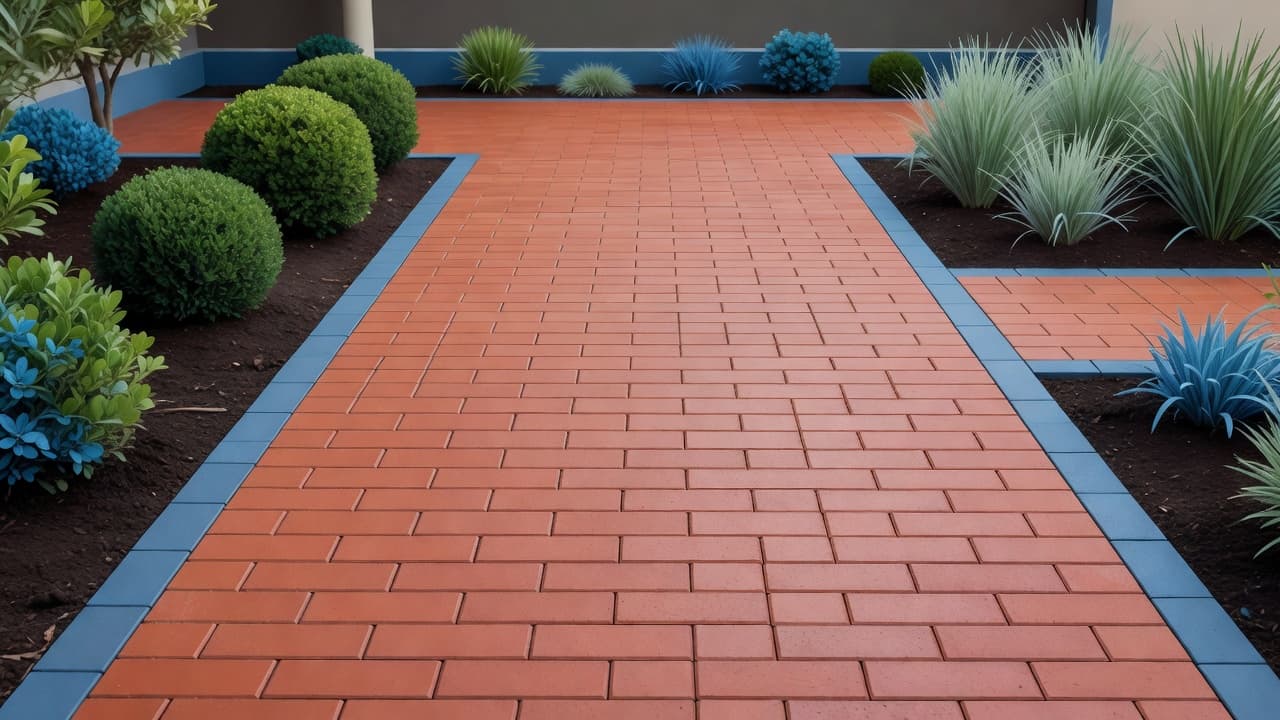
I also tell homeowners to rinse the edge after a big storm if they catch the problem early. A quick sweep and rinse can effectively prevent stains from setting in, keeping one wet afternoon from turning into a long stain season.
If the stain keeps coming back, I would rather handle the cleaning and sealing in one pass than keep fighting it after every rain. You can Get a Quote if you want a free estimate for sealing or pressure cleaning services.
Frequently Asked Questions
Why does my brick walkway look worse after a heavy rain?
Rainwater acts as a transport mechanism, picking up loose pigments and mulch particles from your garden beds and depositing them onto the brick surface. Once the water enters the porous gaps and joints of the walkway, the pigment becomes trapped and settles into the material.
Can I use a pressure washer to remove mulch stains from brick?
Yes, but you must be careful to use the lowest effective pressure setting. Excessive force can strip away joint sand, open up the brick’s pores to future staining, or leave the surface looking blotchy and uneven.
How often should I seal my brick to prevent these stains?
Applying a high-quality penetrating sealer is a proactive measure that provides a protective barrier against moisture. While it does not make the surface invincible, it buys you time by preventing runoff from immediately soaking into the brick, which makes cleaning much easier.
Are all dark spots on my brick caused by mulch?
Not necessarily, as some marks can be caused by mineral buildup or efflorescence. It is important to inspect the stain’s color, shape, and location relative to your garden beds to determine if it is organic runoff or a different type of masonry issue.
Conclusion
Rain does not create the problem by itself. It picks up the color in the mulch, pushes it across the brick, and leaves it behind in the joints and texture. That is why mulch stains brick so quickly after a heavy storm.
The fix is part cleanup and part prevention. By keeping the bed edge tidy and addressing discoloration early, cleaning brick walkways does not have to be a chore. Remove stains before they settle and use sealing when the surface needs more protection. That is how I keep a brick walkway from turning into a runoff map every time the clouds roll in.